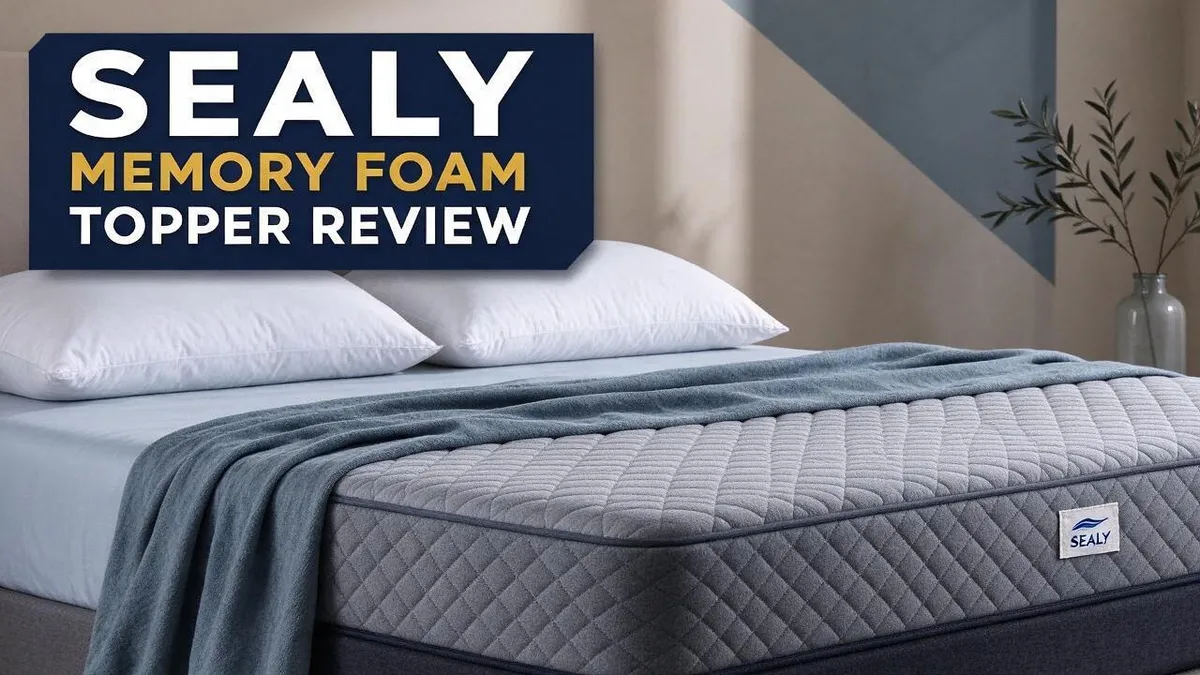
Sealy Memory Foam Topper Review: Pressure Relief, Comfort, and Key Options
Tired of waking up with a sore back? A memory foam topper might be the simple upgrade your bed needs.
Sealy has built a strong name in sleep. Its memory foam toppers aim to bring comfort to your current mattress.
Many sleepers want more pressure relief without buying a new bed. A topper can soften a firm surface and make tired mattresses feel fresh again.
Sealy offers several options, including gel memory foam and zoned designs.
In this review, you will learn how each model feels, what it does well, and who it suits best. We keep things simple and honest so you can decide with confidence.
In a Nutshell
- Check your depth first. The Dreamlife 2 inch gel topper fits mattresses with pockets from 8 to 16 inches deep. Measure your mattress before you choose.
- Expect a fresher sleep surface. The Dreamlife 2 inch model is antimicrobial, so it helps resist germs. Its ventilated design also lets air move through the foam.
- Look at the Dreamlife 1.5 inch option. It is made in USA and carries a one year limited warranty. It suits twin XL beds well.
- Consider the Posturepedic 3 inch model. It includes SurfaceGuard technology, which adds protection for the foam. It also offers fully ventilated comfort.
- Expect a short adjustment period. One Reddit user reported discomfort on a different Posturepedic mattress and needed time to adjust. Give your body a few nights to settle in.
- Know what the research shows. Pros include better motion transfer control and a refreshed feel for older beds. No topper specific drawbacks appear in the current research.
Foam Construction and Materials

- SEALYCOMFORT GEL MEMORY FOAM: This cushioning gel memory foam layer conforms to the shape of your body...
- SEALYCOOL STRETCH KNIT COVER: A soft, stretchable cover made of 99% Polyester and 1% Spandex, designed to...

Last update on 2026-11-18 / Affiliate links / Images from Amazon Product Advertising API
The foam inside a topper shapes how it feels every night. Sealy uses memory foam in its toppers, and the gel versions add an extra layer of comfort. Learning how these materials work helps you pick the right model.
Gel infused foam is a standout feature. The gel mixes into the foam to help draw heat away from your body. Many sleepers find the surface feels less warm during long nights.
Foam density matters just as much. Denser foam usually feels firmer and holds its shape longer. Lighter foam feels softer but may compress faster under daily use.
Sealy’s Posturepedic topper takes a different path. Its zoned design means each area responds in its own way. Your hips and shoulders can receive different levels of support in one piece.
Open cell structure affects airflow too. Open cells let air move through the foam instead of trapping it. This airflow helps reduce the stuffy feeling many people notice with dense foam.
Layer thickness shapes the feel as well. A 1.5 inch layer offers a light, subtle cushion. A 3 inch layer gives a deeper hug and more cushioning under your body.
Do not forget the cover. The outer fabric guards the foam from spills, dust, and everyday wear. Check whether the cover comes off for washing before you buy.
Foam can soften with age. Even quality memory foam may lose some firmness after years of nightly use. Choosing a higher density layer can help slow that change.
Match the foam to your sleep style. Side sleepers often want more give at the shoulder. Back sleepers may prefer a firmer surface that keeps the spine lined up.
Look for clear material details on the label. Foam type, layer count, and total height tell you what you are getting. Reading these details helps you compare models with confidence.
Test your comfort in the first week. Lie on the topper in your usual position. Note any pressure points, then decide whether the feel suits your needs.
Pressure Relief and Support
Pressure relief starts with where your weight lands. Hips and shoulders often press hardest into a mattress. A topper spreads that weight across a wider area.
Soft foam cradles the body. It fills small gaps near the hips. This can ease joints that ache by morning.
Support matters just as much as softness. Foam that feels too soft can let the hips sink too low. That shift can strain the lower back.
Heavier sleepers may need a firmer foam layer. Lighter sleepers often feel more give from the same topper.
Side sleepers usually need more cushioning. The shoulder and hip need room to sink in. A softer topper often works well for this position.
Back sleepers often want a firmer feel. Light pressure relief keeps the spine in a neutral line. A medium foam layer can offer that balance.
Stomach sleepers face a different challenge. Their hips can dip too far into soft foam. A thinner layer may keep the body more level.
The zoned design takes a targeted approach. Some areas feel firmer while others feel softer. This layout can guide the spine and support the midsection.
Good support also keeps the neck aligned with the spine. A thin pillow pairs well with a topper.
Your current mattress plays a big role. An old, sagging bed may need a topper to fix the dips. A firm base often works better with a thinner layer. A sagging frame can also undo the benefits of any topper.
Try a simple test at home. Lie in your usual sleep position for ten minutes. Notice whether your hips or shoulders still feel pressure. Then decide if the support feels right.
Pressure relief works best when the topper fits your body and habits. Think about your weight, height, and favorite sleep position. A good match brings steady comfort every night.
Temperature and Airflow
Heat is one of the most common complaints about memory foam. Many sleepers wake up feeling warm and sticky. The Sealy Memory Foam Topper takes this issue seriously.
Airflow matters just as much as the foam itself. When air moves through a topper, heat has a way out instead of building up under your body.
The Dreamlife 2 inch model is ventilated. Its design lets air pass through the foam layer. This can give the surface a lighter feel during the night.
The Posturepedic 3 inch model is fully ventilated. Air can circulate across the whole surface. That helps reduce the trapped warmth that thick foam often holds.
Gel can add another layer of cooling. Many brands add gel to foam to pull heat away from the body. Results still vary from person to person, so test it yourself.
Foam density can also affect heat. Denser foam often holds more warmth, while lighter foam may breathe better. Compare the specs before you decide.
Room temperature plays a big role too. A cool bedroom paired with good airflow often feels much better. Try a fan or crack a window if you can.
Your bedding choices matter as well. Cotton sheets breathe more freely than heavy synthetic sets. Light layers allow air to move between the topper and your blanket.
Sleep position matters too. Side sleepers and stomach sleepers may feel heat in different spots, such as the hips or chest. Notice where warmth gathers.
Heat sensitivity varies from sleeper to sleeper. Hot sleepers may notice warmth sooner than others. Cold sleepers often enjoy the extra warmth that foam holds.
Watch for signs of overheating. Night sweats, frequent tossing, or waking up hot often point to a temperature problem. Keep a short sleep diary for one week.
Breathability and comfort can work together. A plush surface feels cozy, but it should still let heat escape. Look for ventilation features on the label before you decide.
Finally, check the surface after a few minutes of rest. If your back or hips feel damp or overheated, airflow may not be enough for you. A breathable cover may help as well, since it lets air pass more easily.
Top 3 Alternatives
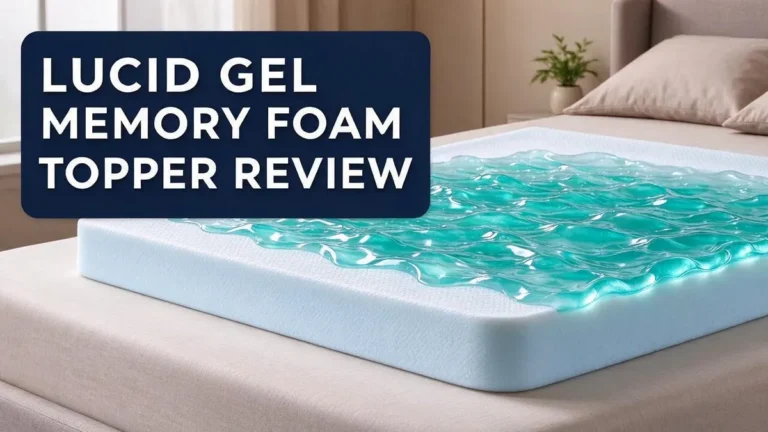
Lucid Memory Foam Topper

- EXTRA PLUSH FEEL – Lucid memory foam mattress toppers are designed to enhance a mattress, making your...
- COOLER SLEEP: Cooling gel is infused in the memory foam to help regulate your sleep temperature and keep...
Last update on 2026-11-18 / Affiliate links / Images from Amazon Product Advertising API
Lucid makes a soft, cozy topper that sinks in gently. Many sleepers enjoy the plush feel it adds to a firm mattress.
The foam helps relieve pressure points at the hips and shoulders. It also reduces motion transfer. A partner moving during the night will disturb you less. The cover is removable and washable, so cleaning stays simple.
Linenspa Memory Foam Topper

- PRESSURE RELIEVING MEMORY FOAM: Plush gel infused memory foam conforms to your curves for personalized...
- COOLING GEL INFUSIONS: This topper is infused with a cooling gel that helps capture and distribute heat...
Last update on 2026-11-18 / Affiliate links / Images from Amazon Product Advertising API
Linenspa offers a supportive option for everyday comfort. The medium feel suits both side sleepers and back sleepers.
Its breathable design keeps the surface cooler than many standard foams. Many users say it makes an older mattress feel newer. A secure fitting strap helps the topper stay in place on the bed.
Milliard Memory Foam Topper
Milliard focuses on a simple, practical topper for busy households. It uses a dense foam layer that holds its shape over time.
It works well for anyone who wants extra cushioning without a big change. The soft surface also gives guests a comfortable place to sleep. Setup takes only a few minutes, and the topper unrolls easily once you remove the packaging.
Fit, Thickness, and Care
Start with the size. A topper should match your mattress size. Measure the width, length, and pocket depth before you order. A snug fit keeps the topper from sliding during the night.
Check the pocket range. Many toppers use elastic corner straps to grip the mattress. The Dreamlife 2 inch model fits pockets from 8 to 16 inches deep. Deep pockets give the straps more to hold. Shallow pockets may need a second look.
Thickness changes bed height. A thicker topper raises the sleep surface. This matters for bed frames, nightstands, and getting in and out of bed. Older adults and shorter sleepers often notice this change first. Plan for the extra height before you buy.
Think about sheets too. Standard fitted sheets may pop off a thick topper. Choose deep pocket sheets instead. They keep the layers flat and smooth all night.
Use a mattress protector. A protector guards the foam from spills, dust, and allergens. Pick one that fits over the topper. Wash it often, just like your other bedding.
Spot clean spills fast. Blot liquids right away with a clean white cloth. Use mild soap and cold water on the cover only. Let everything air dry fully. Never soak the foam.
Keep the topper flat. Avoid folding or rolling it for long periods. Creases can stay in the foam and affect comfort. Leave it on the bed whenever you can.
Rotate it now and then. Turning the topper every few months spreads out wear. Check for lumps, sagging, or uneven spots over time. Catching these changes early helps you decide when to replace it.
Keep your paperwork. The Dreamlife 1.5 inch twin XL model comes with a one year limited warranty. Save your receipt and care label. They help if a problem shows up later.
Give it time to expand. Some toppers arrive rolled or compressed in a box. Unroll it on a flat surface and let it rest for a day or more. Keep the room dry during this time.
Pros and Cons
Pros
- Pressure relief eases tension at the hips and shoulders.
- Motion transfer stays low, so partners sleep undisturbed.
- The Dreamlife 2 inch model adds antimicrobial protection.
- The Dreamlife 1.5 inch model comes with a 1-year limited warranty.
- Each model is made with SealyComfort foam for a plush feel.
Cons
- Sealy-specific performance claims lack independent testing in our research.
- Real user feedback is limited, and one review involved a mattress, not a topper.
- Three different models can make it hard to choose at first.
- Results depend on your mattress and body type.
Who Should Buy It
This topper suits people who want a softer bed without buying a new mattress. It works well for sleepers whose current mattress feels too firm.
A topper adds a cushioned layer on top, so the bed feels gentler right away.
Many shoppers also have an older mattress that has lost its shape. Dips and sags can make sleep feel less comfortable each night.
A memory foam layer can fill in those soft spots and give a more even surface. This makes it a practical choice for a guest room or a spare bed.
Hosts with frequent guests also benefit. A topper can make a spare bed feel more welcoming.
Renters often look for simple upgrades. A topper can move with you from home to home.
You can take it off the bed and pack it up without much trouble. This flexibility makes it appealing for people who do not own their space.
Couples with different needs may also find help here. One partner might like a firm feel while the other wants softness.
A topper can bridge that gap without forcing either person to give up comfort. Each sleeper still shares the same mattress base.
Some people should talk with a doctor first. Anyone with back problems, joint pain, or recent injuries should seek professional advice before making changes. A topper supports comfort, but it does not replace medical care.
Kids and teens may enjoy the cushy surface too. Growing bodies often sleep in changing positions, and a softer layer can feel inviting. Parents should still check that the topper fits safely with the bed frame.
This topper may not suit everyone. Those who prefer a very firm, flat surface might feel the foam is too soft. Heavy sleepers may also want to test it in a store or during a trial period if one is offered.
Think about how you sleep each night before you decide. Taking a little time can lead to a better choice.
Final Verdict
The final verdict is simple. A Sealy memory foam topper can work well for people who want a softer surface without buying a new mattress.
The best pick depends on your bed and your sleep style. Side sleepers often want more cushioning at the hips and shoulders, while back sleepers may prefer a firmer feel.
Choose the 2 inch model for deeper comfort. It adds more cushioning than the thinner option. It also suits people who want a noticeable change right away.
Choose the 1.5 inch model for a lighter touch. A thinner layer raises the bed less. It may suit people who only want a small shift in feel.
Choose the zoned 3 inch model for targeted support. Some sleepers want extra help in specific zones. This design suits people who feel pressure in certain spots.
Who gets the most from it? Shoppers with older mattresses, guests in a spare room, and couples with different needs often notice the biggest change. Each group can match a thickness to its goal.
Keep expectations realistic. Independent testing of the brand’s performance claims is limited in our research. Real user feedback is also thin, so trial and patience matter.
Many sleepers need a few nights to adjust to new foam. Give the topper a fair chance before you decide.
Our overall take is positive but measured. The topper can refresh an older bed and add gentle cushioning. It works best as a comfort upgrade, not a repair for a damaged mattress.
Next step: match the topper to your needs. Measure your mattress, note your sleep position, and read the full warranty terms before you buy. That simple plan helps you pick the right model with confidence.
Bottom line: If you want a softer, more even surface, a Sealy topper deserves a spot on your shortlist. Pick the thickness that fits your comfort goal and your sleep style.
Frequently Asked Questions
Will this topper make me sleep hot?
Memory foam can hold some heat. The ventilated design helps air move through the layer, but results vary by person. Pair it with light, breathable sheets for a cooler night.
How long does it take to feel the full effect?
Most sleepers need a few nights to adjust. The foam softens slowly and shapes to your body over time. Give it about one to two weeks before you decide if it works for you.
How do I keep the topper clean?
Check the care label first, since cleaning steps can differ by model. Most people spot clean with a mild soap and water. Let it air dry fully before you put the sheets back on.
Will the topper slide around on the bed?
Toppers can shift during the night, especially on smooth mattress covers. A fitted sheet with deep pockets holds the layer in place better. Some people also add corner straps for extra grip.
Can I use it on a pillow top mattress?
You can, but check the total height first. A pillow top already adds softness, so a topper may make the bed feel too high or too soft. Measure your mattress depth before you buy to avoid surprises.

DK is the founder of Deep Slumber Finds, where he combines a genuine passion for quality sleep with thorough product research to help readers make confident buying decisions. When he’s not testing mattresses or comparing pillows, you’ll find him exploring the latest sleep science and hunting down the best deals so you don’t have to.