How to Choose the Best Sleep Tracker for Your Needs?
Do you toss and turn at night, wondering why you feel tired every morning? A good sleep tracker can help you find answers.
These smart devices watch your movement, heart rate, and breathing patterns. They don’t measure your sleep directly. Instead, they estimate your sleep using sensor data and smart algorithms.
Many people assume trackers know exactly when they fall asleep. This is a common mistake. The truth is, these devices make educated guesses based on your body’s signals.
So how do you pick the right one for your needs? With watches, rings, and mats all promising better sleep insights, choosing can feel confusing.
This guide will walk you through everything you need to know. You’ll learn which metrics actually matter, like sleep stages, total duration, heart rate, and blood oxygen levels.
We’ll also cover different device types and what makes each one unique. By the end, you’ll know exactly what to look for.
Your journey to better sleep starts with understanding your options. Let’s explore how to find a tracker that truly fits your lifestyle.
In a Nutshell
Choosing the right sleep tracker gets simple when you focus on what matters most. Here’s a quick summary to guide your decision.
-
Sensors matter most. Look for devices with heart rate and blood oxygen sensors. These give you the most reliable data about your sleep quality.
-
Trackers estimate, not measure. Your device uses movement and heart rate to guess your sleep stages. It doesn’t watch your brain directly.
-
Pick your device type wisely. Watches, rings, and mats each offer different comfort levels. Choose one that fits your lifestyle and sleeping habits.
-
Focus on key metrics. Total sleep time, sleep stages, and heart rate tell you the most about your rest. Skip trackers that overwhelm you with confusing numbers.
-
App experience counts too. A great tracker needs an app that makes sense. Check reviews before you commit to any device.
-
Comfort beats fancy features. The best tracker is one you’ll actually wear every night. Pick something comfortable enough for daily use.
How Sleep Trackers Work
Sleep trackers work by collecting data from sensors built into wearable devices. These sensors don’t directly measure sleep. Instead, they gather information and use that data to estimate your sleep stages and quality.
The main sensors in sleep trackers include accelerometers that detect movement, heart rate monitors, and respiration sensors. When you wear a tracker at night, these sensors constantly collect information about your body. The device then analyzes this data using algorithms to guess whether you’re awake, in light sleep, deep sleep, or REM sleep.
Heart rate patterns are especially important for sleep tracking accuracy. Your heart rate naturally drops when you fall asleep and changes throughout different sleep stages. Blood oxygen levels also shift during sleep, making them reliable indicators of your sleep quality. Devices that measure both heart rate and blood oxygen tend to provide more accurate estimates than those using movement alone.
Movement detection plays a supporting role in sleep tracking. The accelerometer senses when you toss and turn during the night. This information helps the tracker understand your sleep restlessness and overall sleep quality. However, movement data alone cannot accurately determine your sleep stages.
The key point to remember: trackers estimate sleep based on indirect signals. They don’t measure brain waves like medical sleep studies do. This means some estimates may not be perfectly accurate for everyone. Your personal sleep patterns might differ from the general algorithms the tracker uses.
Understanding this process helps you set realistic expectations. Your tracker provides useful trends and insights about your sleep habits. Use this information to spot patterns over time rather than relying on single night readings. Most trackers improve their accuracy the longer you wear them because they learn your individual sleep patterns and body signals.
Key Sleep Metrics You Should Understand
Sleep trackers estimate your rest using sensors rather than directly measuring when you sleep. Understanding the key metrics helps you pick a device that actually gives you useful information.
Total sleep duration is the most straightforward metric. Your tracker counts how many hours you spend asleep each night. This number tells you if you’re getting enough rest for your body’s needs.
Sleep stages break your night into different phases. Light sleep is when you drift off and wake easily. Deep sleep is when your body repairs itself and builds strength. REM sleep is when you dream and process emotions. Most trackers show how much time you spend in each stage throughout the night.
Heart rate data is one of the most reliable indicators your tracker uses. Your heart rate changes during different sleep stages. It drops during deep sleep and rises during REM sleep. Devices that monitor your heart rate give you more accurate sleep estimates.
Blood oxygen levels show how much oxygen your blood carries while you sleep. This metric helps identify breathing issues that disrupt your rest. Trackers with blood oxygen sensors provide deeper insights into your sleep quality.
Sleep consistency measures whether you go to bed and wake up at similar times each day. Regular sleep schedules help your body maintain healthy rhythms.
Restlessness tracks how much you toss and turn during the night. High restlessness suggests your sleep quality needs improvement.
When choosing a tracker, focus on devices that clearly explain these metrics in their app. Simple, straightforward data helps you spot patterns and make real changes. Skip devices that overwhelm you with confusing numbers. The best tracker gives you information you can actually understand and use to improve your sleep tonight.
Types of Sleep Tracking Devices
Sleep tracking devices come in three main forms: wearables you wear on your wrist, rings you wear on your finger, and mats you place under your mattress. Each type works differently and suits different people.
Wristband trackers are the most common option. You wear them like a watch or fitness band. These devices stay close to your skin, which helps them read your heart rate and movement accurately. Most people find them convenient because you wear them all day and night. The downside is that some people find them uncomfortable for sleeping, especially if they’re bulky or tight.
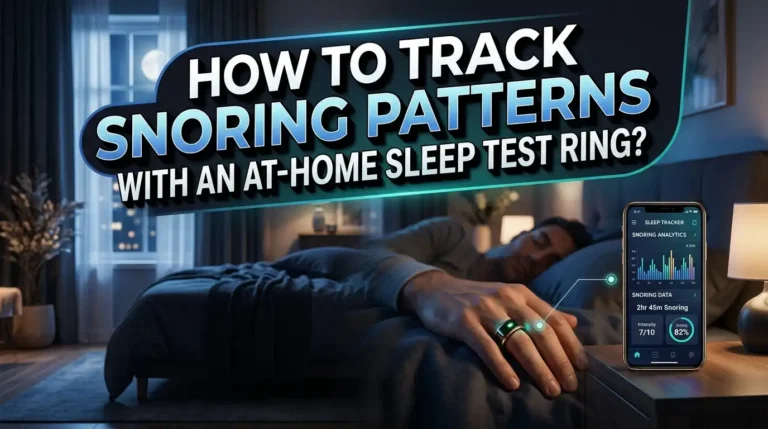
Ring trackers are smaller and lighter than wristbands. You simply wear them on your finger like a regular ring. Many people sleep better with rings because they barely notice them. However, rings can be harder to read from your finger, and they may not capture movement data as effectively as wristbands. They work best if your main goal is tracking heart rate and sleep stages.
Bed mats sit under your mattress or fitted sheet. You don’t wear anything, which appeals to people who dislike wearables. These mats detect movement and sometimes breathing patterns. The trade off is that bed mats can’t measure heart rate directly, so they rely more on movement data. This makes them slightly less accurate for detecting sleep stages.
Your choice depends on your lifestyle. If you exercise during the day, a wristband gives you bonus fitness data. If comfort matters most, a ring might work better. If you hate wearing anything to bed, a mat is your solution.
Consider what you’ll actually use consistently. The best device is one you’ll wear or use every single night without complaint.
Step-by-Step: Matching a Tracker to Your Sleep Goals
Start by identifying what you want to learn about your sleep. Do you need to understand why you feel tired? Are you tracking sleep stages? Do you want to improve your overall rest quality? Your specific goals determine which features matter most.
Write down your top three sleep concerns. Maybe you want to know if you’re getting enough deep sleep. Perhaps you’re curious about your total sleep duration. Or you might need to track how consistent your bedtime routine is. Clear goals help you filter out unnecessary features.
Next, evaluate which metrics your potential tracker measures. Look for devices that show heart rate and blood oxygen levels. These sensors provide the most reliable data. Sleep stage information is also valuable if understanding your REM and deep sleep phases interests you.
Consider your lifestyle when matching a device to your goals. Active people benefit from wristband trackers because they also monitor daily movement and exercise. If you prefer minimal wearables, a ring tracker might suit you better. Bed mats work well if you don’t like wearing anything at night.
Check how the app displays your data. Can you easily understand the metrics? Does it explain what your numbers mean? A confusing app defeats the purpose of tracking. You need clear insights to make real changes.
Think about consistency too. Will you wear this device every single night? The most advanced tracker fails if you don’t use it regularly. Choose something comfortable enough for continuous wear.
Finally, match device features to your budget and lifestyle. Don’t pay for features you won’t use. Focus on trackers that measure your priority metrics well. The right match combines reliable sensors, easy-to-read data, and something you’ll actually use every night.
Evaluating Accuracy, Comfort, and App Usability
Accuracy matters most when you pick a sleep tracker. The device won’t directly measure when you sleep. Instead, it estimates rest using sensors that detect movement, heart rate, and breathing patterns. This means some trackers work better than others depending on their sensor quality.
Heart rate sensors are your best friend. They provide the most reliable data about what happens while you sleep. Blood oxygen level sensors add another layer of accuracy. Together, these two measurements give you a clearer picture than movement detection alone. Look for devices that include both features.
Check what sleep metrics the app displays. You want easy to understand information, not confusing numbers. The app should show your total sleep time, sleep stages, and restlessness levels clearly. If the interface confuses you in the store, it will confuse you at home too.
Comfort determines whether you’ll actually wear the device every night. A tracker you forget to put on provides zero data. Test the device weight and material before buying. Some people prefer lightweight rings. Others like wristbands. Bed mats require no wearing at all. Your choice depends on your personal preference.
App usability makes a huge difference in your experience. The app should sync quickly with your device. Data should load without delays. You should find your sleep information within two taps, not five. Read reviews about app performance specifically. Many people overlook this until after purchase.
Battery life affects daily use too. A device that needs charging every night becomes annoying fast. Look for trackers that last several days between charges. This keeps you from missing sleep data when the battery dies.
Finally, consider data security. Your sleep information is personal health data. Check what privacy protections the company offers. Read their privacy policy before committing to any device.
Common Mistakes When Choosing a Sleep Tracker
Many people make critical errors when selecting a sleep tracker. Understanding these mistakes helps you avoid wasting money and getting frustrated.
The biggest mistake is assuming your tracker directly measures sleep. Trackers don’t actually know when you’re sleeping. They estimate sleep based on movement, heart rate, and other sensor data. This means they can make errors, especially if you lie still while awake or move around during sleep. Accept that your tracker provides estimates, not perfect measurements.
Another common error is ignoring what metrics the device actually tracks. Some trackers only show total sleep time. Others provide detailed breakdowns of sleep stages. Before buying, check if the app displays the specific information you need. Don’t assume all trackers measure the same things.
People often overlook app quality when choosing a device. A tracker with great sensors means nothing if the app is confusing or hard to use. Spend time exploring how each app presents data. Can you easily understand your sleep patterns? Does the interface make sense to you?
Comfort gets overlooked surprisingly often. You might choose a tracker based on features alone, then never wear it because it feels uncomfortable. A device you don’t wear provides zero data. Test the weight, material, and fit before committing.
Budget mismatches create problems too. Some people buy expensive trackers with features they’ll never use. Others choose cheap options that lack the sensors they actually need. Match your spending to your actual sleep goals.
Finally, many buyers forget about consistency requirements. Some trackers need charging every few days. Others require specific wearing positions. If the device demands effort you won’t maintain, it won’t help you. Choose something that fits naturally into your routine.
Troubleshooting Inconsistent or Confusing Sleep Data
Sleep trackers give you estimates, not exact measurements. They use sensors to guess your sleep patterns based on movement, heart rate, and breathing. This means the data you see isn’t always perfectly accurate. Understanding why helps you interpret confusing results.
Inconsistent readings happen for several reasons. Your tracker might show different sleep stages on similar nights. This occurs because sensors pick up tiny variations in your body’s signals. Even small changes in how you sleep can shift the data. Your device interprets these signals differently each night.
Environmental factors create confusion too. Room temperature, stress levels, and caffeine intake all affect your sleep. Your tracker doesn’t know about these factors. It only reads your physical responses. So the same sleep quality might look different in the data depending on what happened that day.
Check your device’s sensor placement first. Trackers need proper contact with your skin to read accurately. A loose wristband or ring gives poor readings. Sweat, dirt, or dry skin also interferes with sensors. Clean your device regularly and ensure it fits snugly but comfortably.
Review your app’s settings next. Most trackers let you adjust sensitivity levels or input manual corrections. You can often note when you actually fell asleep or woke up. This helps the device learn your patterns better over time.
Look at trends instead of individual nights. One confusing night doesn’t matter much. Watch your weekly or monthly patterns instead. Sleep data becomes more useful when you see the bigger picture. Your tracker gets better at reading your sleep as it collects more information about you personally.
If data remains confusing after these steps, check your device’s manual. Different trackers handle sleep estimation differently. Understanding your specific device’s method helps you trust the results more.
Final Thoughts
Choosing the best sleep tracker comes down to knowing your own needs. There is no single device that works for everyone.
Your goals matter more than fancy features. If you want basic sleep duration, simple devices work fine. If you want deeper insights, look for heart rate and blood oxygen sensors.
Remember that trackers estimate sleep. They don’t measure it directly. This helps you set realistic expectations from day one.
Focus on metrics you actually understand. A tracker packed with data means nothing if you can’t interpret it. Simple, clear metrics often serve you better than complex ones.
Comfort plays a huge role in long term success. You won’t get good data from a device you stop wearing. Pick something that feels natural for nightly use.
App usability deserves equal attention as hardware. A great sensor paired with a confusing app creates frustration. Test the app experience before committing fully.
Think about your daily habits too. Watches, rings, and mats all track differently. Your lifestyle should guide which device type fits best.
Budget matters, but don’t sacrifice core features to save money. Heart rate and blood oxygen sensors improve accuracy significantly. These features often justify their cost over time.
Consistency remains key to useful sleep data. Wearing your tracker every night gives you trends worth trusting. One night of data rarely tells the full story.
Take time to compare a few options before buying. Read reviews focused on accuracy and comfort. Check how each brand handles app design and data clarity.
Your perfect sleep tracker balances comfort, accuracy, and ease of use. No single feature matters more than how well it fits your life. Choose based on what you’ll actually stick with, not just what looks impressive on paper.
With the right approach, you’ll find a tracker that supports better sleep habits. Stay patient, test your options, and trust the process.
Frequently Asked Questions
What exactly do sleep trackers measure?
Sleep trackers don’t directly measure when you sleep. Instead, they use sensors to detect movement, heart rate, and breathing patterns. The device then estimates your sleep based on this data. Think of it like a smart guess rather than a precise measurement.
The sensors work continuously while you wear the device. They collect information about your body’s activity and vital signs. Your tracker’s app then analyzes this information to create a sleep report.
Why do my sleep readings change from night to night?
Your body behaves differently each night. Stress, exercise, caffeine, and room temperature all affect your sleep patterns. Even minor changes in how you wear your device can shift the readings you see.
Trackers estimate sleep stages based on patterns they detect. One unusual night doesn’t mean your device is broken. Look at your sleep data over a week or month instead. Trends matter more than individual nights.
Which metrics should I focus on?
Start with total sleep duration and basic sleep stages like light and deep sleep. These give you useful information without overwhelming you with data.
If you want more reliable information, look for devices that measure heart rate and blood oxygen levels. These sensors provide stronger indicators of actual sleep quality.
How do I know if a device will work for my lifestyle?
Consider when and where you’ll wear it. Some people prefer watches they wear all day. Others like rings that feel less bulky at night. Think about your comfort level with wearing something while sleeping.
Check if the app shows information in a way you understand. A complicated app ruins even the best hardware.

DK is the founder of Deep Slumber Finds, where he combines a genuine passion for quality sleep with thorough product research to help readers make confident buying decisions. When he’s not testing mattresses or comparing pillows, you’ll find him exploring the latest sleep science and hunting down the best deals so you don’t have to.