Nolah Evolution 15 Review: Hybrid Mattress Support, Cooling and Comfort Explained
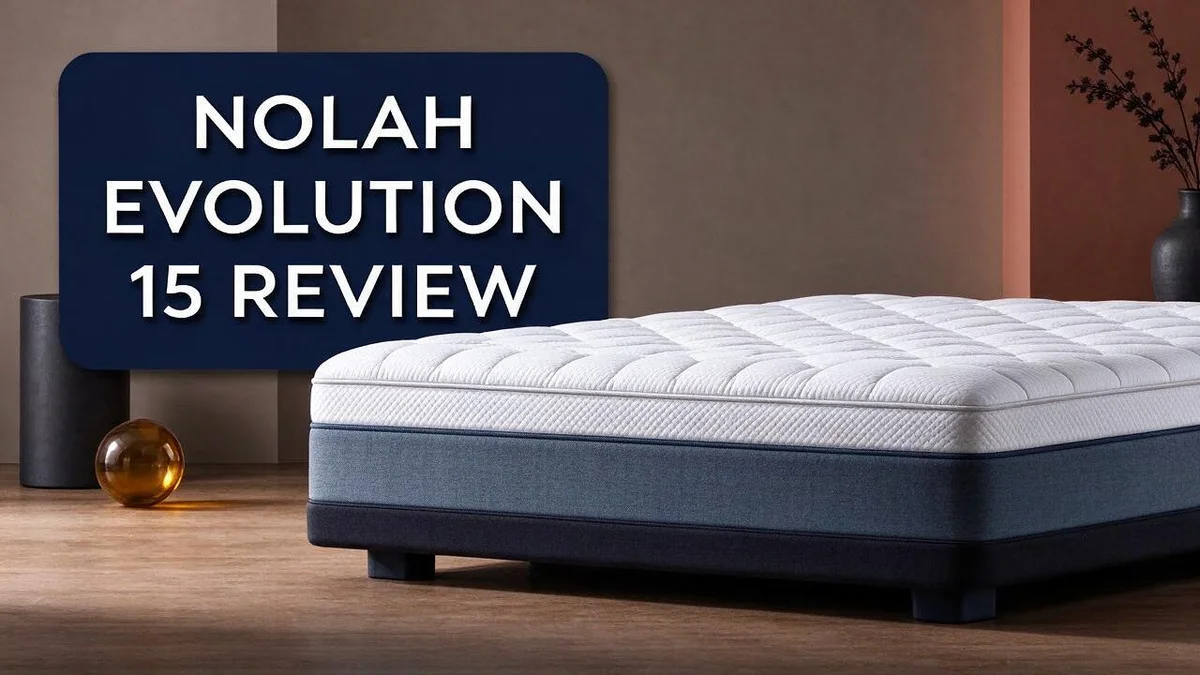
Looking for a mattress that feels good night after night? The Nolah Evolution 15 might be the one you need. It is a hybrid mattress, and it stands as the brand’s top model.
Each mattress stacks several foam layers over a Euro top and innerspring coil support. This mix gives you a balance of cushion and support.
Cooling upgrades help you stay comfortable through the night. Zoned support aims to keep your body aligned. You also get a choice of firmness, so you can pick the feel that suits you.
Made in the USA, this mattress reflects strong build quality. Read on to see how it performs, who it suits best, and how it compares to rivals like Helix Midnight Luxe, Purple Restore, Bear Mattress, and Nectar Premier.
In a Nutshell
-
Top of the line: The Evolution 15 is the brand’s premier model. Many shoppers who want the best from Nolah start here.
-
Zoned support: Different sections of the mattress support different body areas. This design aims to ease pressure on the hips and shoulders while keeping the rest of the body steady.
-
Choice of firmness: You can select the feel that fits your sleep style. This gives side, back, and combination sleepers more room to find a good match.
-
Thickness check: The mattress measures about 15 inches tall. One source lists 14 inches, so confirm the exact height before you order.
-
Mixed feedback: One Reddit thread reports that one side feels very firm. A side sleeper also found it hard to twist onto the stomach. Everyone sleeps differently, so your experience may vary.
-
Strong rivals: Helix Midnight Luxe, Purple Restore, Bear Mattress, and Nectar Premier compete in the same space. Comparing them side by side helps you choose the right fit.
Construction and Materials
Ever wonder what makes a mattress feel right? The materials do most of the work. Each layer has a clear job to do.
The top foam layers handle pressure. They cushion your shoulders and hips, so your body sinks in just enough.
Deeper layers provide the structure. They keep your spine in line and stop you from sinking too far into the bed.
Coils sit below the foam. They push back when you move, which gives the bed a lively, responsive feel.
Bounce helps with position changes. Many sleepers find it easier to shift during the night on a surface that responds.
The outer cover adds a soft finish. Light padding under the fabric softens the first touch when you lie down.
Edge support deserves attention too. Firm edges let you sit on the side of the bed without feeling like you might slide off.
Motion control is another angle. Hybrid designs may limit how much movement travels across the mattress, which helps if a partner tosses and turns.
Foam density affects durability. Higher density foam usually holds its shape for longer, so the bed may keep its feel over the years.
Coil thickness also matters. Thicker coils often feel firmer, while thinner coils flex more easily under your body.
Body weight changes the result. Heavier sleepers may need more support from the coils, while lighter sleepers often feel comfortable with less.
Stomach sleepers may notice a difference. One side sleeper reported that turning onto the stomach felt hard. That feedback is anecdotal, but it is worth testing.
Good construction should feel balanced from edge to edge. That balance helps every part of the bed work together.
Take time to lie on the bed in your usual position. Ask about the layer details, too, since knowing the foam type and coil design helps you compare models with confidence.
Support and Pressure Relief
Pressure relief often decides whether a night feels restful or restless. Hips and shoulders usually carry most of the body’s weight. Good support keeps these areas from sinking too deep or pushing back too hard.
Side sleepers feel this most. The shoulder and hip press into the bed, so the surface needs some give. A layer that sinks just enough can ease that strain.
Back sleepers need a different kind of balance. The goal is a straight line from the head to the tailbone. If the hips drop too far, the lower back can ache by morning.
Combination sleepers change positions several times each night. A surface that adjusts without a long delay makes those changes easier.
Pressure relief also depends on daily habits. Gentle stretches before bed can loosen tight hips and shoulders. Those small steps help the mattress do its job more effectively.
Sleepers should also think about how they settle in each night. Some people drift toward the edge or prefer open space. Those habits can change where pressure builds.
Pay attention to how the body feels after waking. Stiffness that fades during the day often signals a good fit. Lingering aches may point to a surface that needs a change.
Pillow choice matters too. A pillow that suits your sleep position keeps the neck aligned with the spine. Many people overlook this step when judging support.
Test the feel for a few nights. Pressure points can take time to notice. Sore spots often fade or grow within a week, so patience helps.
Keep a short sleep log for one week. Note where aches start and when they fade. That simple record can guide your next decision.
Relief looks different for everyone. A softer feel may calm one sleeper, while another wants more firm resistance. Honest notes from your own nights offer the clearest answer.
Cooling and Temperature Control
Hot nights can turn a good mattress into a frustrating one. Many sleepers wake up sweaty without knowing why.
The Nolah Evolution 15 includes cooling upgrades that help the surface stay comfortable.
Heat builds up when a surface traps warmth close to the body. Dense materials often hold heat longer than airy ones.
Airflow matters just as much as the materials. Air needs a path to move through the bed.
The coil support below the comfort layers plays a key role. Open space between the coils lets air travel through the core.
This movement can carry warm air away while you rest. Your body stays cooler when air keeps moving.
The top layers shape how the first hours of sleep feel. A cooler surface can help you settle in and drift off.
Some sleepers feel warmer on dense foam than on springy layers. Notice how your body responds on the first few nights.
The cover also affects temperature control. A breathable cover lets moisture pass through instead of sitting on the skin.
Look for fabric that feels cool to the touch.
Bedding changes how warm you feel too. Breathable sheets made from cotton, linen, or bamboo help a lot.
Light blankets let heat escape better than heavy comforters. Choose layers you can add or remove easily.
Your bedroom temperature matters a great deal. Many sleep experts suggest a room between 60 and 67 degrees Fahrenheit.
Evening habits also affect body heat. Heavy meals and alcohol close to bedtime can raise body temperature.
A warm shower about one to two hours before bed may help your body cool down later. Couples often face different heat needs. One partner may sleep hot while the other stays cold.
Cooling features can help both people feel balanced on the same bed. Try lying on the mattress for ten minutes in your usual sleep position. Pay attention to whether your skin feels warm or clammy. Your body will tell you if the bed suits your nights.
Top 3 Alternatives
Looking for a different bed? These three mattresses give many sleepers strong options for a good night’s rest.
Casper Original Mattress

- DESIGNED FOR ALL SLEEPERS: Balanced support and medium firmness fits all sleep styles
- PREVENTS OVERHEATING ALL NIGHT: Unlike traditional memory foam Casper's breathable open-cell Flex Foam...

Last update on 2026-11-19 / Affiliate links / Images from Amazon Product Advertising API
The Casper Original offers a balanced feel that is easy to live with. It has a medium firm feel that suits back and side sleepers. Its foam layers ease pressure around the hips and shoulders. Many people also like its responsive surface, which makes changing positions simple.
Purple Original Mattress

- PRESSURE RELIEF AND ALIGNED SUPPORT: The Purple Mattress cradles pressure points at your hips and...
- MEDIUM-FIRM FEEL FOR EVERY SLEEP POSITION: The Purple Mattress is a medium-firm mattress built for spine...
Last update on 2026-11-19 / Affiliate links / Images from Amazon Product Advertising API
The Purple Original stands out with its unique grid comfort layer. This layer flexes under weight and supports the body with a cushioned, springy feel. It also helps air move through the surface, so heat does not build up as quickly. Couples who move often may appreciate the bounce.
Tuft & Needle Original

- Bounce-Back Support - Queen size mattress in a box uses T&N Adaptive foam, a breathable, open-cell foam...
- Medium Feel - Made For All sleeping positions; The new T&N Original medium bed mattress is intentionally...
Last update on 2026-11-19 / Affiliate links / Images from Amazon Product Advertising API
The Tuft & Needle Original uses adaptive foam that feels firm yet smooth. It works well for side sleepers and combination sleepers. Its dense foam absorbs motion, so a partner can shift without waking you. This model suits people who want a simple, straightforward mattress with dependable support.
Each option has its own strengths. Think about your sleep style, body weight, and comfort needs. Then choose the mattress that fits your nights best.
Firmness and Sleep Position Fit
Firmness shapes how a mattress feels from the first minute of rest. The Nolah Evolution 15 offers a choice of firmness, so you can pick a feel that suits your habits.
Start with your usual position. Most people sleep in one main position on most nights. That habit gives the best clue about the support you need.
Owners online report that one side can feel very firm. Check both sides during any test. This helps you spot the difference early.
Think about your comfort, not just the label. A firmer setting does not always mean better support. A softer choice may suit some people more than the firmest option.
Give your body time to adjust. A new mattress can feel unfamiliar for several nights. Your muscles often need a little time to settle into a new surface.
Watch how you wake up. Notice any stiffness in the lower back or neck each morning. Those signs show whether the firmness setting works for you.
Keep a short sleep log for two weeks. Write down your main position and how rested you feel. Patterns often appear quickly, and they guide your final choice.
Think about shared beds too. Couples often sleep in different positions. A shared bed may need a compromise between two different feels.
Some people feel more comfortable on a firmer base, while others prefer a little give. Neither choice is wrong. The right answer depends on your own comfort.
If you still feel unsure, read owner feedback from people who share your sleep position. Their experiences can point out what to expect before you decide.
Remember that firmness is only one part of comfort. The way the surface responds to movement also matters for restful sleep.
Edge Support and Motion Isolation
Edge support decides how much of the bed you can really use. Many people sit on the side to put on shoes or stand up. Poor edges can make a bed feel smaller than it is. A firm border makes that moment feel safe and steady.
Hybrid beds like the Nolah Evolution 15 often use coil support to shape the outer zones. Coils can help the edges hold their shape better than pure foam. Sources do not describe the edge build in detail, so a real test matters.
Try this simple check. Sit on the edge with both feet flat on the floor. Then slide your hips toward the side and stand up. Notice whether the mattress tips you or holds you steady.
Edge support also affects how wide your sleep space feels. A soft border can make you roll toward the middle all night. Many sleepers then wake up feeling cramped. A supportive border helps you use the full width of the bed.
Motion isolation is the other half of the story. When one person moves, the bed should absorb that movement. Otherwise a partner feels every turn and shift. Dense foam layers usually help with this because they soak up small vibrations before they spread across the surface.
Couples should test together. Lie down at the same time and have one person roll toward the middle. Ask the other person whether they felt the shift. Repeat this a few times to see how quickly the movement fades. This simple test shows more than any spec sheet can.
One anecdotal report adds useful context. A side sleeper said it was hard to twist onto their stomach. Movement across the surface can feel tricky when the bed resists your weight shifts. Pay close attention to how easily you change positions during your test.
Keep your expectations realistic. No mattress removes every bit of motion. Your body weight, bed frame, and sleep habits all play a role. Focus on how the bed feels during your first few nights. Write down what you notice each morning.
Pros and Cons
Pros
- Made in the USA for buyers who value domestic production
- The brand’s premier model with a premium feel
- Zoned support that targets different areas of the body
- A choice of firmness so you can pick what suits you
- Multiple foam layers and a Euro top add a plush surface
Cons
- A side sleeper reported trouble rolling onto the stomach
- At 15 inches, the bed sits high off the floor
- Sources mention cons but do not list them, so test in person when you can
- Comfort varies by body type, so results may differ from one sleeper to the next
Who Should Buy It
Hot sleepers often wake up feeling warm in the middle of the night. The Nolah Evolution 15 includes cooling upgrades, so it may suit people who run hot.
Combination sleepers change positions many times during the night. A hybrid build with foam layers and coil support may keep those movements feeling smooth.
Hybrid beds mix foam comfort with coil lift. Shoppers who like a cushioned surface with a bit of bounce often enjoy that balance.
Partners who share one bed usually want a mattress that feels fair to both sides. Compare how each person feels after a few minutes of lying down.
Back sleepers who want a supportive yet cushioned feel may find this bed a good match. Support needs vary, so a short test helps.
Lighter sleepers often feel less pressure on the hips when a bed has a soft top layer. Heavier sleepers should check support closely before they decide.
Shoppers who prefer a very firm, flat surface may want to compare other options first. A softer top may feel different from what they expect.
Cooling claims depend on the room and bedding too. A warm bedroom or heavy blankets can change how cool the bed feels.
Shoppers who like to compare should review Helix Midnight Luxe, Purple Restore, Bear Mattress, and Nectar Premier. Each brand builds its beds in a different way.
Anyone with ongoing back pain should talk with a doctor before buying a new mattress. Buyers who want a solid hybrid with many comfort features will find plenty to like here.
Think about your usual sleep routine, your room temperature, and who shares your bed. Those details often guide the final choice better than any single feature. Reading return policies and trial periods also helps you decide with less stress.
Final Verdict
The Nolah Evolution 15 earns a serious look from many sleepers. Its layered build and coil support make it a practical pick for everyday rest.
Think of this bed as a dependable all around choice. It suits back sleepers who want support with a soft top. It also fits many combination sleepers who shift positions often.
Couples should weigh one detail carefully. Partners who share a bed want a surface that feels fair to both sides. Test that fairness together before you decide.
Hot sleepers can pair this bed with breathable sheets for a cooler night. Light, airy bedding gives the mattress a better chance to keep you comfortable.
Who should keep looking? Shoppers who need a rock hard feel may prefer another model. Side sleepers who roll often should also test the bed with care.
The research leaves some gaps. Sources rate the bed highly but do not list specific pros or cons. That means your own trial matters most.
Give yourself several nights to adjust. Most bodies need time to settle into a new mattress. Judge the bed after the first few nights, not the first few minutes.
Keep an eye on how you feel after a full week. Notice morning stiffness, pressure points, and sleep quality. Those signs tell you more than any spec sheet.
Think about your sleep goals for the next few years. A bed that fits your body today should still feel right as your needs change.
Finally, let a simple sleep log guide the choice. Write down how you slept each night during the trial. Patterns often reveal the best fit faster than guesswork.
Sleep shapes how your whole day feels. Choose the bed that helps you wake up ready for it.
Frequently Asked Questions
What kind of base does this mattress need?
A solid platform or a supportive foundation works best. Coil support needs even support across the frame. Check the setup guidance before you order so your bed stays level.
Can heavier sleepers use this bed?
Body weight changes how any mattress feels. Heavier sleepers may notice more support from the coil layer. Compare your weight with the brand’s guidance before you decide.
Is it a good choice for a guest room?
Many guests enjoy a bed that feels comfortable right away. This makes it a practical pick for a spare room. Choose a firmness level that suits most people who will sleep there.
What should I check before the return window ends?
Read the return policy first. Use the full trial period at home. Make sure you can send the bed back if it does not feel right.
Is this mattress suitable for teens?
Growing teens need steady support. Ask the brand about age guidance and the firmness choice before you buy. A supportive bed helps young sleepers rest well.

DK is the founder of Deep Slumber Finds, where he combines a genuine passion for quality sleep with thorough product research to help readers make confident buying decisions. When he’s not testing mattresses or comparing pillows, you’ll find him exploring the latest sleep science and hunting down the best deals so you don’t have to.