Tempur-Cloud Pillow Review: Support, Comfort and Cooling Explained
Tired of waking up with a sore neck? You are not alone. Many side, back, and stomach sleepers search for a pillow that feels comfortable all night long.
Maybe you want a pillow that supports your spine. Maybe you want real pressure relief for your neck and shoulders. The Tempur Cloud Pillow is a popular choice for both needs.
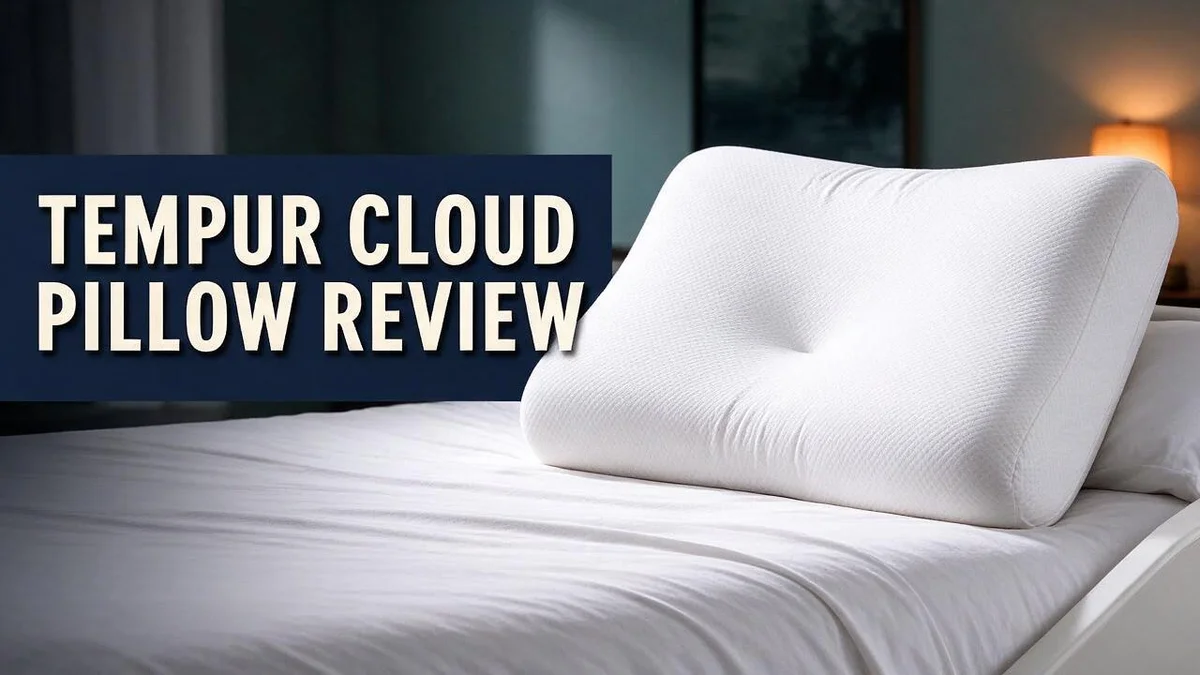
This low profile pillow uses soft, slow moving memory foam. It molds to your head and neck. Many sleepers say it helps them feel more relaxed.
In this review, we explore what makes the pillow special. We look at the good, the not so good, and who it suits best. You will also see how it compares to other pillows.
In a Nutshell
-
Pressure relief is a major perk. Many people wake up with less tension after sleeping on this pillow. The shape of the foam cradles the head and neck, so pressure points feel softer through the night.
-
Stomach and back sleepers often benefit most. This pillow helps keep the spine in a neutral line. Good alignment can make mornings feel more comfortable and less stiff.
-
Side sleepers should test it first. Some side sleepers find the feel too soft for the support they need. A short trial period or a store visit can show whether it fits your sleep style.
-
Heat can be an issue. Some sleepers feel warm on this foam during the night. If cooling is a top priority, the separate Tempur Cloud Breeze Dual Cooling model is worth a look.
-
Care is simple and easy. The cover comes off and goes into the washing machine. Regular washing keeps the pillow fresh and helps it last longer.
-
Competitors are worth comparing. Tempur Adapt ProHi and GhostPillow are strong rivals with their own strengths. Compare features, feel, and sleep position before you decide.
Foam Feel and Build
No products found.
The first touch feels soft and calm. When you lay your head down, the foam sinks in slowly. It wraps around your head instead of pushing up against it.
The foam responds to weight in a steady way. Light pressure creates a small dip. Heavier pressure makes a deeper hollow.
This gradual response helps the head settle without any sudden jolts. Many sleepers find this feel calming before bed.
The build feels even from edge to edge. You will not find lumps or thin patches in the middle. The surface stays smooth through the night.
Slow recovery is part of the design. After you lift your head, the foam takes a moment to return to its shape. Some people like this pause, while others want a quicker bounce.
The feel can change based on the variant you choose. The Soft and Conforming version offers an extra gentle hug. Some sleepers say it feels a bit more solid than expected.
Firmness is a matter of personal taste. This type of foam holds its shape well, yet it still gives under your head.
The cover adds to the overall feel. It sits smoothly over the foam and stays in place. The top of the pillow stays neat during sleep.
Build quality looks solid from the start. The foam holds together well and does not crumble with normal use. Over time, the shape should stay consistent with regular care.
Check the feel in person if you can. Press the pillow with your hand and watch how it returns. Lie on it for a few minutes to judge the comfort.
The foam feel suits many sleeping positions when it matches your preference. Test it before you commit to a long trial period. Your neck will tell you what works best.
Support and Sleep Position Fit
Good support starts with the right height. Your head should sit level with your shoulders, not tilt up or down. This pillow works best when it fills that gap evenly.
Stomach sleepers need a flat surface. A thick pillow lifts the head too high and bends the neck. This slim design keeps the head close to the mattress, which many stomach sleepers find easier on the body.
Back sleepers get steady head contact. The foam cradles the back of the skull. This gentle hold stops the head from rolling to one side during the night.
Combination sleepers may notice shifts. People who change positions often need a pillow that keeps up. This foam moves with you, yet quick turns can feel less fluid.
Shape retention helps over time. A pillow that keeps its form gives the same head height night after night. That steady support can ease neck strain caused by a flattened pillow.
Your mattress changes the fit. A firm mattress lifts the head more than a plush one. Compare your pillow height with your bed before you decide.
Test your position at home. Lie in your usual sleep spot for about ten minutes. Notice whether your neck feels relaxed and your jaw stays loose.
Give it time to work. Body habits take a few weeks to adjust. Many people notice small changes first, like less stiffness in the morning. Keep a short sleep note each morning to track those changes.
Pillow comfort also depends on your sleep setup. A pillow works with your mattress, blanket, and sleepwear. Choose a setup that keeps your spine relaxed.
Support depends on your habits. This pillow suits many stomach and back sleepers. Combination sleepers should test it carefully before making it a nightly choice.
Pressure Relief and Temperature
The Tempur Cloud pillow spreads your head weight across a wide surface. Pressure points near the ear and cheek get less stress as a result.
Your ear and jaw often take the most strain at night. This foam gives those areas room to rest without sharp pressure.
The top layer compresses slowly under weight. It does not push back hard against the skull, so the feel stays gentle.
Dense foam traps body warmth near the head. Sleepers who run hot may notice the difference fast.
Research reports that the Soft and Conforming version sleeps cooler. Start there if warmth worries you.
Room temperature matters just as much as the pillow itself. A cool bedroom helps the foam stay comfortable through the night.
Pair the pillow with a breathable pillowcase. Cotton and bamboo blends let air move around your head. Less heat gets trapped.
Give your body time to adjust. Most people need a few nights before they judge the temperature fairly.
If heat keeps waking you up, consider the Tempur Cloud Breeze Dual Cooling model. It is a separate design built for hot sleepers.
Comfort depends on both pressure relief and temperature. A pillow that feels soft but runs hot can still disturb your sleep.
Sleep position also changes how heat builds. Side sleepers often press more of the face into the foam, which can add warmth.
Wash the cover often for fresh airflow. Oils and dust can make the surface feel stuffy over time.
Watch for signs of pressure too. If you wake with a sore jaw or numb arm, the pillow may not suit your build.
Track how you feel for two weeks. Notes on sleep quality and warmth make the decision much easier.
A good night of rest comes from comfort that lasts. Choose the version that keeps you cool and well supported.
Top 3 Alternatives
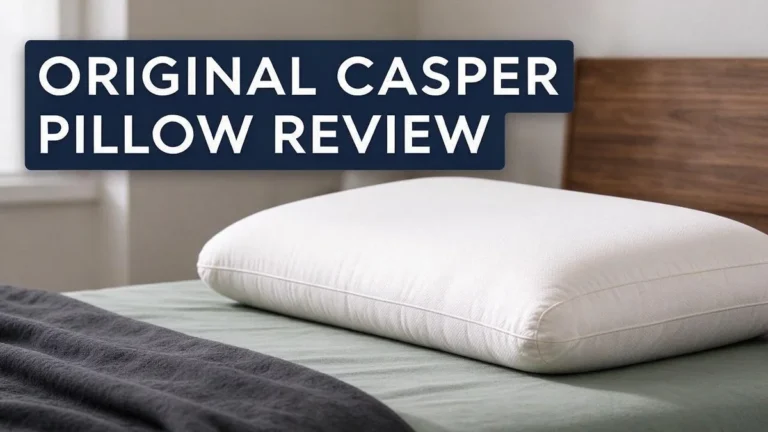
Casper Original Pillow

- MADE FOR ALL SLEEP POSITIONS: Medium-soft feel combined with a medium loft ensures proper spinal...
- INNOVATIVE DESIGN: Pillow-in-pillow construction pairs a supportive inner pillow with a softer outer...

Last update on 2026-11-19 / Affiliate links / Images from Amazon Product Advertising API
Looking for a pillow that feels supportive and cool? The Casper Original Pillow is a strong choice for many sleepers. It offers a firm feel that helps keep your neck aligned. Side sleepers and back sleepers often enjoy its steady shape.
Its cover breathes well, so you stay cool through the night. The pillow also holds its shape over time. You can easily fluff it up each morning. Many people find it easy to wash and care for.
Coop Eden Pillow

- Enhanced Breathability for Better Sleep: Designed with a blend of soft, gel-infused memory foam and...
- Fully Adjustable, You Are in Control: Experiencing discomfort, snoring or tossing and turning are all...
Last update on 2026-11-19 / Affiliate links / Images from Amazon Product Advertising API
The Coop Eden Pillow stands out for its adjustable feel. You can add or remove fill to change the height. This makes it a great pick for people who switch sleep positions. It suits both soft and firm preferences.
Many shoppers love its soft and cozy surface. The cover feels smooth against your skin. It also works well for people who want a little extra comfort at bedtime.
Purple Harmony Pillow
No products found.
The Purple Harmony Pillow uses a unique grid design. The grid gives gentle support and keeps air moving. Sleepers who run hot often appreciate this feature. Its airy design helps reduce heat buildup at night.
Its shape can suit stomach sleepers and combination sleepers. The pillow feels springy yet supportive. Try it if you want a fresh change from your current pillow.
Care and Cover Maintenance
Keeping your Tempur Cloud pillow fresh is simple. The cover does most of the work, so start there. Remove it before each wash and check the care tag first.
Wash the cover on a gentle cycle. Use cold or lukewarm water and a mild detergent. Skip harsh bleach, since it can weaken the fabric over time.
Zip the cover closed before you put it in the machine. This keeps the zipper from snagging the fabric. It also protects your washer drum from rough edges.
Air dry the cover flat or tumble on low heat. Heat from a high dryer setting can shrink the fabric. A cover that shrinks may feel tight on the foam core.
Never toss the foam core into the washer. Water can soak deep into the foam and stay trapped there. Instead, wipe the core gently with a damp cloth and mild soap. Then let it dry completely in open air.
Air out a new pillow before use. Research notes slight offgassing when the pillow is fresh. Remove the packaging, place the pillow in a dry room, and let it breathe for a day or two. This step helps the smell fade.
Add a protector under the cover for extra care. A thin protector catches sweat, oil, and dust. It also makes the cover last longer because it needs washing less often.
Spot clean small stains right away. Dab the area with a cloth and cool water. Rubbing spreads the mark and pushes it deeper into the fabric.
Rotate the pillow every few months. Turn it over and switch sides. This habit keeps wear even across the surface.
Store spare covers in a cool, dry closet. Dampness can lead to mildew, which causes odor and stains. Keep the pillow away from direct sunlight when you are not using it.
Good care keeps the foam firm and the cover soft for years.
Air Quality and Offgassing
The smell of new foam is the first thing many people notice. It often feels sharp at first. Research reports only slight offgassing, so the scent is usually mild.
Offgassing means gases leave the foam over time. Memory foam releases these gases as it settles into its shape. Your nose may pick up the scent for several days.
Think about where you unpack the pillow. A closed bedroom holds the smell close to your face. A room with open windows lets the air clear faster.
Good airflow makes a big difference. Place the pillow in a spare room or hallway for a day or two. Keep it out of direct sunlight, because heat can make the scent stronger.
A bedroom fan can also help. Point it toward an open window so fresh air moves across the pillow. Turn the pillow every day during the first week so each side gets airflow.
Sensitive noses may need extra care. People with asthma or chemical sensitivities should air the pillow for a longer period. Watch for headaches, itchy eyes, or a stuffy nose during the first week.
If these signs continue, move to a different sleep setup for a few nights. Your comfort and breathing matter most. Rest in another bed until the smell fades.
Check the label before you buy. Look for clear notes about the foam materials and any third party testing. Clear product details help you know what is inside the pillow.
Leave the cover on while the pillow airs out. This keeps the foam surface clean from dust. Once the smell fades, you can sleep on it with confidence.
Most people find the scent fades within a week. Good airing and patience make the first nights far more pleasant. Plan to air it out before the first night. Your new pillow will feel fresh and ready for rest.
Pros and Cons
Pros
– Gives great pressure relief for many sleepers
– Helps keep the spine lined up for stomach and back sleepers
– Eases neck pain for people who wake up sore
– Holds its shape night after night
– The cover suits people with allergy concerns
Cons
– May feel too soft for side and back sleepers
– Some people find the foam feels too solid
– Can run too hot for certain sleepers
Who Should Buy It
This pillow suits a certain kind of sleeper. Your habits matter more than any product label.
Start with how you move at night. If you shift positions often, soft foam may feel less steady under your head. Pay attention to your routine before you decide.
Shoppers who want a flat, low pillow will feel at home here. Tall and fluffy pillows often cause trouble for people who need a more even height.
Couples should talk before they buy. Partners often want very different things. One person may love the gentle hug of foam, while the other wants more lift. Try the feel together if you can.
People who want a simple sleep setup will appreciate this pillow. It has no moving parts, no fancy controls, and no extra features to learn. You rest your head and sleep.
Some shoppers want a firm, bouncy pillow that springs back quickly. This pillow will not do that. Memory foam moves slowly and sinks in, so it may feel wrong for you.
If you still feel unsure, compare other options. The Tempur Adapt ProHi earned a pick from Wirecutter, so it deserves a close look. GhostPillow is another name that many shoppers consider.
Think about who shares your bed, too. A pillow that works for one person may not work for two. Your partner’s comfort counts just as much as yours.
Your best choice depends on your routine. Think about how you sleep, how you move at night, and which feel you enjoy most. Read reviews from people with similar habits before you decide.
Final Verdict
Our final verdict is simple. The Tempur Cloud Pillow earns a strong spot for people who want soft, steady support. It is not the right match for every head or sleep style, though.
Think of it as a comfort tool, not a cure. Memory foam molds around your head and neck. That slow hug feels calming for many people. Some sleepers, however, want a lift or a springy feel, and this pillow does not offer that.
Heat is the main thing to watch. Warm sleepers may wake up feeling sticky. If that sounds like you, a cooling model such as the Tempur Cloud Breeze Dual Cooling pillow may suit you better. Breathable bedding can also help.
Skip this one if you need height. Some sleepers need more loft than a low profile model gives. A pillow that sits too flat can leave the neck feeling unsupported. Check your usual sleep position before you decide.
Want more firmness? The Tempur Adapt ProHi earned a Wirecutter pick, so it deserves a look. GhostPillow offers another feel to compare. Each option brings different compromises, so read them side by side.
Before you commit, ask yourself three quick questions. Do you run hot at night? Do you need extra height under your neck? Do you change positions often? If you answered yes to the first question, consider a cooling option. If you answered yes to the second, test a higher pillow first.
The best test is your own bed. Most sleep trials give you a few weeks to decide. Use that time well. Notice how your neck feels in the morning and whether you wake up overheated. Your body gives the clearest answer.
Overall, this pillow delivers gentle pressure relief, easy care, and a calm sleep feel. It works best for people who want a simple, low profile setup. Give it a fair trial, and trust what your nights tell you.
Frequently Asked Questions
Is the cover easy to clean?
Yes, the cover comes off and goes in the washing machine. Regular washing keeps the pillow fresh. Check the care label first, so the cover lasts longer.
Is there a cooler option in the Tempur line?
Yes. The Tempur Cloud Breeze Dual Cooling is a separate model. It suits people who run hot at night. If heat keeps you awake, this model is worth a look.
How does it compare to GhostPillow?
GhostPillow is another top rival in this category. Both models offer a different feel and height. Compare how each one fits your sleep position. Read both product details side by side before you decide.
What if I want a pillow that feels more supportive?
The Tempur Adapt ProHi is a good place to start. It earned a Wirecutter pick, so many shoppers trust it. Test any pillow for a few nights to see how your neck and shoulders respond.

DK is the founder of Deep Slumber Finds, where he combines a genuine passion for quality sleep with thorough product research to help readers make confident buying decisions. When he’s not testing mattresses or comparing pillows, you’ll find him exploring the latest sleep science and hunting down the best deals so you don’t have to.