How to Choose a Mattress That Sleeps Cool in Summer?
Summer nights can turn your bed into a heat trap. You toss and turn, flip your pillow, and still wake up sweaty. A hot mattress ruins good sleep fast.
Many shoppers grab anything labeled “cooling” and hope for the best. But gel infused foam often disappoints. It feels cool for a few minutes, then traps heat just like regular memory foam.
The real secret to a cool mattress is airflow. Materials that breathe and wick away heat matter more than fancy marketing labels. Your sleep position also plays a big role in what works best for you.
This guide breaks down everything you need to know. We will cover why some mattresses sleep hot, and how to spot materials that actually stay cool. You will learn about hybrid designs, open cell foam, and other smart choices.
We will also flag common mistakes people make when buying a summer mattress. By the end, you will know exactly what to look for. No guesswork, just simple facts to help you sleep cooler tonight.
In a Nutshell
Here’s a quick recap to keep in mind before you shop:
-
Airflow beats gel every time. Gel infused foam feels cool at first touch. But that coolness fades fast once your body heat builds up.
-
Hybrid mattresses are your best bet. They mix foam comfort with coil support. This combo lets air move freely through the mattress.
-
Open cell foam breathes better. It has tiny gaps that let heat escape. Traditional memory foam traps heat instead.
-
Your sleep position matters too. Side sleepers need different support than back or stomach sleepers. Match the material to your position for real comfort.
-
No mattress cools alone. Even the best cooling mattress needs help. Add breathable sheets, a fan, or AC for best results.
-
Skip the marketing hype. Cooling labels don’t guarantee cool sleep. Focus on actual airflow and breathable materials instead.
Keep these points handy. They will help you make a smart choice without falling for empty promises.
Why Mattresses Sleep Hot in the First Place
Your mattress feels hot because of how it responds to your body heat. When you lie down, your body transfers warmth to the surface beneath you. Most mattresses trap this heat instead of releasing it.
Memory foam is the biggest culprit. This material was designed to conform closely to your body shape. That tight conforming action creates a seal that traps warm air around you. The foam absorbs your body heat and holds it, making the mattress feel uncomfortably warm by the middle of the night.
Traditional innerspring mattresses also sleep hot, but for different reasons. They have less surface contact with your body, so they transfer heat differently. However, they still don’t move air efficiently away from your sleeping area.
Foam layers in general restrict airflow. Air circulation is what actually cools you down. When air can move freely through the mattress, it carries heat away from your body. Stagnant air creates hot spots where temperature builds up quickly.
Your body position matters too. Side sleepers create more pressure points than back sleepers. These pressure points cause the mattress to compress more, which blocks airflow even further. Stomach sleepers experience similar issues in their chest and hip areas.
The room environment amplifies the problem. A mattress in a hot, humid bedroom has nowhere to release the heat it absorbs. Poor ventilation under your bed traps warm air beneath the surface. Heavy blankets and non-breathable sheets make everything worse.
Gel-infused foam feels cool at first, but this effect is temporary. The gel absorbs your heat just like regular foam does. After a few minutes, the cooling sensation fades completely. You’re left with a mattress that still traps heat, just like before.
Understanding these heat-trapping mechanisms helps you identify which features actually work. You need materials that prioritize movement of air and moisture away from your body. That’s the foundation for choosing a mattress that stays cool all summer long.
The Truth About Gel-Infused Foam Cooling Claims
Gel-infused foam has become a major selling point in the mattress industry. Manufacturers claim these products stay cool throughout the night. The reality is more complicated than the marketing suggests.
Here’s what actually happens with gel-infused foam. When you lie down, the gel absorbs heat from your body. This creates a brief cooling sensation on the surface. Many people feel this initial coolness and assume the mattress will stay cool all night.
The problem emerges after 20 to 30 minutes. The gel reaches its temperature capacity and stops absorbing heat effectively. Your body warmth then builds up beneath the surface, just like it would in regular foam. The cooling benefit essentially disappears.
The gel doesn’t eliminate heat. It only delays it. Once saturated, the gel traps warmth the same way traditional memory foam does. You’re left with a temporarily cool surface and a hot core underneath.
Research shows gel-infused foam performs only marginally better than standard foam for long-term temperature regulation. Some studies find no meaningful difference at all. The initial coolness tricks your brain into thinking you’ve solved the problem.
What actually matters for cooling is airflow and material structure. Open-cell foams allow air to move through the mattress more freely. Hybrid designs combine foam with coil systems that promote ventilation. These features work throughout the entire night, not just the first half hour.
This doesn’t mean gel-infused foam is useless. It provides some temporary relief and can feel pleasant initially. Just don’t rely on it as your primary cooling strategy. Pair gel foam with other cooling methods like breathable sheets, proper room ventilation, and fans. Understand that gel is one small piece of the cooling puzzle, not the complete solution marketing claims suggest.
Materials That Genuinely Support Airflow and Temperature Regulation
Materials make or break your cooling mattress experience. The structure of what your mattress contains determines how air moves through it and how quickly heat escapes.
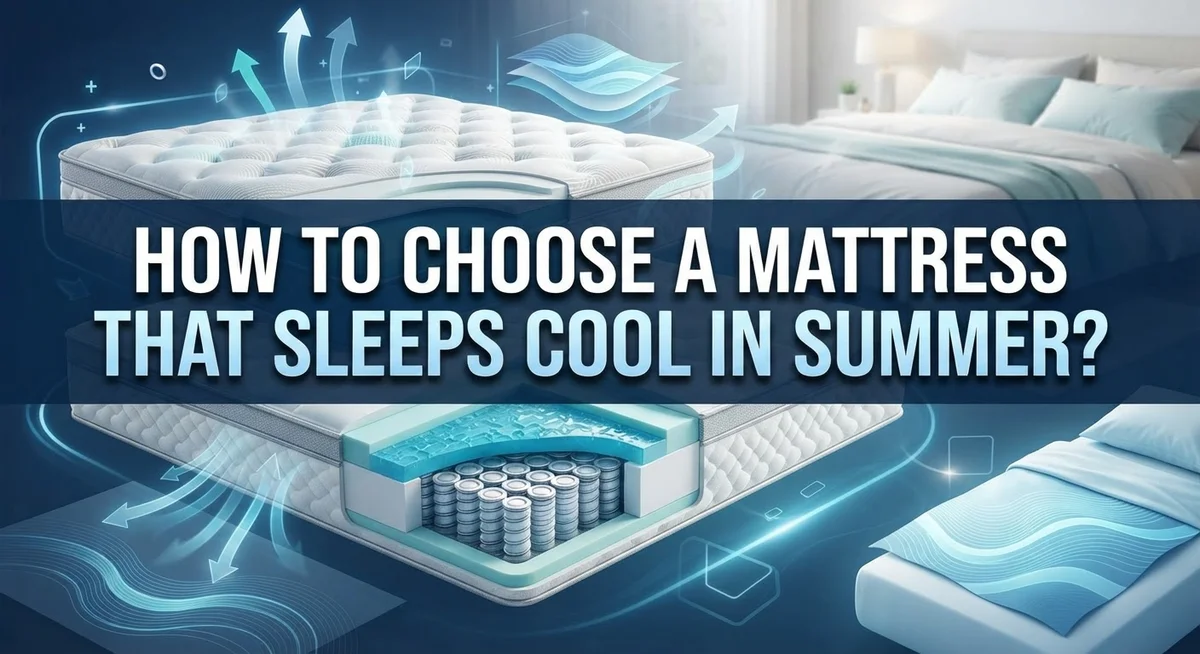
Open cell foam is a smart choice for airflow. Unlike traditional memory foam, open cell foam has tiny pockets that allow air to flow freely. This structure lets heat move away from your body instead of trapping it. The cells connect to each other, creating pathways for ventilation.
Hybrid mattresses combine the best of two worlds. They pair foam layers on top with coil systems underneath. The coils create space for air to circulate throughout the entire mattress. Your body gets pressure relief from the foam, while the coils keep air moving. This combination works better than foam alone for temperature control.
Traditional memory foam holds heat close to your body. It conforms to your shape, which feels supportive but blocks airflow. If a mattress uses memory foam, look for versions with open cell construction or gel infusions. These modifications improve breathing, though they won’t make memory foam as cool as hybrid or open cell options.
Latex materials offer natural breathability. Latex has an open structure that resists heat retention. It also responds quickly to pressure, so it doesn’t sink deeply into your body like memory foam does. This reduces the surface contact that traps warmth.
The cover matters too. Some mattress covers use breathable fabrics that allow air to pass through. Others use dense materials that block ventilation. A breathable cover works with your mattress materials to improve cooling.
Look beyond single features. A mattress with excellent airflow but poor cover design still sleeps hot. Check how all the materials work together. The best cooling mattresses use multiple strategies: open cell foam, coil systems, breathable covers, and proper layering. Each component contributes to keeping you cool through the night.
How Your Sleep Position Affects Cooling Needs
Your sleep position directly impacts how much cooling your mattress needs to provide. Different positions create different pressure points, and these areas generate varying amounts of heat.
Side sleepers concentrate their body weight on the shoulders and hips. These pressure zones trap more heat than other areas. You need a mattress that allows air to flow around these contact points. A softer surface helps, but only if it doesn’t compress so much that it blocks ventilation underneath.
Back sleepers distribute their weight more evenly across the mattress surface. This actually works in your favor for cooling. Heat spreads across a larger area instead of concentrating in one spot. Back sleepers can often get away with slightly firmer materials because pressure is distributed better.
Stomach sleepers face a unique challenge. Your face and chest press directly into the mattress. Heat builds up quickly in these areas. You need materials with excellent airflow to prevent that trapped, stuffy feeling that wakes you at night.
The support level your position requires matters for cooling too. If your mattress doesn’t support your position properly, you shift positions frequently throughout the night. Constant movement generates more body heat and disrupts your sleep cycles.
Side sleepers typically need more cushioning to prevent pressure buildup. This extra softness can sometimes reduce airflow if the material isn’t designed well. Back and stomach sleepers can often use firmer materials that naturally allow better air circulation.
Here’s the practical takeaway: identify your primary sleep position first. Then prioritize materials that support that position while maintaining airflow. A mattress that supports you poorly will feel hot because you’ll toss and turn all night. The best cooling mattress is one that keeps you comfortable and still, regardless of how many gel layers it contains.
Step-by-Step Guide to Choosing a Cool-Sleeping Mattress
Start by checking your sleep position. Are you a side sleeper, back sleeper, or stomach sleeper? This matters because each position needs different support levels to keep you cool and comfortable.
Side sleepers need extra cushioning. Your shoulders and hips take most of your weight, so they need pressure relief. A mattress that’s too firm will push heat into these areas. Look for materials that offer both softness and airflow.
Back sleepers have an advantage. Your weight spreads evenly across the mattress surface. This means heat distributes more naturally. You can focus on finding materials with good airflow rather than worrying as much about pressure points.
Stomach sleepers need firm support. Your lower back sinks easily into soft mattresses, which traps heat in that area. A firmer structure with open airflow helps keep your front side cool while supporting your spine.
Once you know your position, check the mattress materials. Hybrid mattresses work well for most sleepers because they combine foam comfort with coil airflow. The coils create channels for air to move through the mattress.
Open cell foam is better than traditional memory foam. It has a more porous structure, so air moves through it easier. This reduces heat buildup compared to dense foam layers.
Check the mattress cover too. Some covers use moisture wicking fabrics that pull sweat away from your body. This keeps you dry and cooler throughout the night.
Think about the mattress height and construction. Thinner mattresses often sleep cooler because heat doesn’t travel as far through fewer layers. Thicker mattresses with poor airflow trap more warmth.
Test the mattress in person when possible. Lie down in your normal sleep position for at least 10 to 15 minutes. Feel whether heat starts building up under your shoulders, hips, or back. Your body tells you immediately if a mattress will work for summer sleeping.
Optimizing Your Mattress Setup for Maximum Coolness
Your mattress setup goes far beyond just the mattress itself. The environment around your bed plays a huge role in keeping you cool through the night.
Start with airflow around your bed. Position your mattress away from walls when possible. This lets air circulate underneath and around the sides. If your bed frame has a solid platform, consider switching to a slatted base instead. Slats allow air to move freely beneath the mattress, which reduces heat buildup significantly.
Ventilation in your bedroom matters too. Open windows at night when outdoor temperatures drop. Use ceiling fans or portable fans to keep air moving. Stagnant air traps heat near your body, so consistent airflow is essential for cooling comfort.
Your bedding choices directly affect mattress performance. Cotton sheets breathe better than synthetic materials. Linen sheets offer even superior temperature regulation. Avoid heavy comforters or quilts during summer months. A lightweight blanket works better if you need any covering at all.
Mattress protectors can impact cooling as well. Choose protectors made from breathable fabrics rather than waterproof plastic covers. Plastic barriers trap heat against the mattress surface and work against your cooling goals.
Consider your room temperature too. Keep your bedroom cooler than other areas of your home. Aim for 65 to 68 degrees Fahrenheit for optimal sleep. Your air conditioning system should run efficiently during summer nights.
Elevate your head slightly using a supportive pillow. This position encourages better air circulation around your upper body and reduces pressure points that generate heat.
Finally, wash your sheets frequently during hot months. Sweat accumulation on bedding reduces its cooling ability. Clean sheets maintain better moisture-wicking performance throughout the night.
These setup adjustments work together with your mattress materials to create a genuinely cool sleeping environment.
Common Mistakes When Choosing a Cooling Mattress
Many people make costly mistakes when selecting a cooling mattress. Understanding these errors helps you avoid wasting money on products that won’t actually keep you cool through the summer.
The biggest mistake is trusting gel-infused foam marketing claims too heavily. Manufacturers promote gel as a cooling solution, but the reality is different. Gel provides initial surface coolness that fades quickly. Your body heat eventually warms the gel layer, and you’re left with regular memory foam that traps heat. This temporary sensation tricks buyers into thinking they’ve found a solution.
Another common error is ignoring airflow entirely. You might buy a mattress with decent materials but fail to consider how air moves through it. Airflow is actually more important than gel for long-term cooling. Open-cell foam structures allow air to circulate better than traditional memory foam, regardless of gel content.
Many people also overlook their sleep position when choosing a cooling mattress. You need support that matches your position, not just a cool surface. A mattress that sleeps cool for back sleepers might trap heat under side sleepers because of how weight distributes differently. Your position determines where pressure builds up, and that affects cooling performance.
Ventilation mistakes happen too. People buy excellent cooling mattresses but then place them directly against walls or under low bed frames. Poor bedroom airflow cancels out the mattress’s cooling benefits.
Finally, some buyers expect cooling mattresses to work alone. They don’t adjust their bedding, room temperature, or setup. A cooling mattress works best as part of a complete system. Cotton sheets, proper ventilation, and a cool room temperature all matter alongside your mattress choice.
Avoid these mistakes by focusing on airflow, matching your sleep position, and creating a complete cooling environment rather than relying on single features or marketing promises.
Final Thoughts
Choosing a cool mattress does not have to feel confusing. When you focus on the right factors, the process becomes simple.
Your sleep position matters more than fancy marketing terms. Side, back, and stomach sleepers each need different support levels. This affects how much heat builds up against your body.
Airflow beats gimmicks every time. Gel infused foam sounds appealing, but the cooling effect fades fast. Hybrid designs and open cell foam offer better long term temperature control.
Materials alone will not solve everything. Your bedroom setup plays a huge role too. Ventilation, breathable sheets, and room temperature all work together with your mattress.
Think of your cooling strategy as a complete system. The mattress is just one piece. Fans, air conditioning, and lightweight bedding support what your mattress does.
No single mattress guarantees a cool night every time. Even the best options need help from your sleep environment. This is normal and expected.
Testing a mattress before buying helps you avoid regret. Lying down for several minutes gives you real feedback. This beats relying on online descriptions alone.
Avoid common mistakes like ignoring your sleep position or trusting gel claims completely. These errors lead to disappointment later.
Instead, look for mattresses that combine support with breathability. Hybrid designs often do this well because they mix foam comfort with airflow.
Remember that cooling technology has limits. No mattress fully controls temperature without your help. Pairing smart bedding choices with the right mattress gives you the best results.
Take your time during the buying process. Compare materials, test options when possible, and think about your whole sleep setup.
A cool night’s sleep comes from combining the right mattress with smart habits. When you get both right, summer nights feel much more comfortable.
Frequently Asked Questions
Does gel-infused foam actually keep you cool all night?
Gel-infused foam feels cool when you first lie down. The coolness comes from the gel absorbing your body heat initially. However, this effect doesn’t last long. Once the gel reaches your body temperature, it stops cooling you. You’re left with regular foam that traps heat like any other memory foam product.
Airflow matters more than gel. Open-cell foam designs let air move through the material better than gel alone. This continuous airflow keeps your mattress cooler throughout the night, not just at the start.
What mattress type works best for hot sleepers?
Hybrid mattresses combine foam comfort with coil support. The coils create air channels that move heat away from your body. This design gives you pressure relief from foam plus the cooling benefit of airflow from springs.
Open-cell foam mattresses also work well. They have a structure that allows air to flow freely. This beats traditional memory foam, which naturally traps heat around your body.
Should I choose a mattress based on cooling alone?
Your sleep position comes first. Side sleepers need different support than back sleepers. A cool mattress won’t help if it doesn’t support your body properly.
Consider cooling as part of your total sleep system. Your mattress works with your sheets, pillows, room temperature, and ventilation. A cooling mattress performs best when your bedroom stays cool and air can flow around your bed.
Do I need a cooling mattress if my room stays cold?
Not necessarily. A regular supportive mattress works fine in a cold room. Save your money if your bedroom temperature stays low year-round. Focus on finding the right firmness and support for your sleep position instead.

DK is the founder of Deep Slumber Finds, where he combines a genuine passion for quality sleep with thorough product research to help readers make confident buying decisions. When he’s not testing mattresses or comparing pillows, you’ll find him exploring the latest sleep science and hunting down the best deals so you don’t have to.