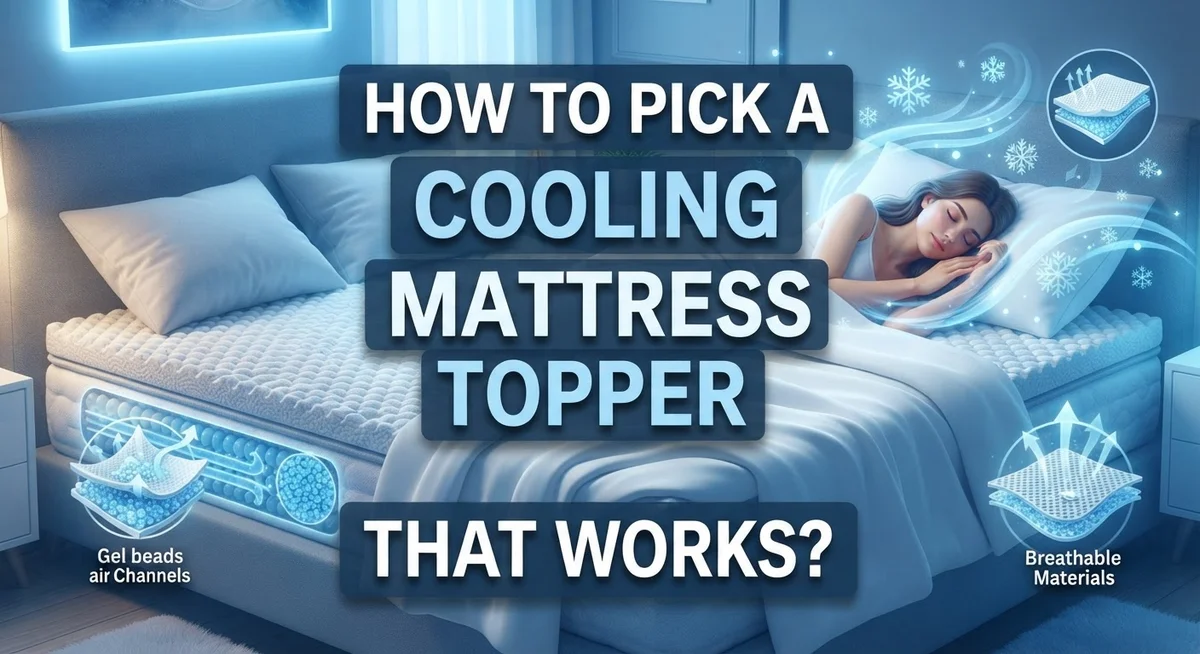
How to Pick a Cooling Mattress Topper That Works?
Do you wake up hot and sweaty at night? A cooling mattress topper might be the fix you need.
Many people struggle with overheating during sleep. This leads to tossing, turning, and poor rest.
The good news is that the right topper can change everything. But not all toppers actually cool you down.
Some brands make big claims that simply do not hold up. Marketing hype often does not match real performance.
This guide will help you cut through the noise. We will break down the best materials for cooling, like latex and feather down.
You will also learn why thickness matters so much. A topper that is too thin will not deliver the cooling benefits you want.
We will cover how to match a topper to your mattress type. We will also point out common mistakes shoppers make.
By the end, you will know exactly what to look for. You will feel confident picking a topper that truly works for your sleep needs.
Let’s get started and find your path to cooler, better sleep.
In a Nutshell
Picking the right cooling topper does not have to feel confusing. Here is a quick recap to keep in mind while you shop.
-
Check the material first. Latex and feather/down naturally stay cooler than standard memory foam. They allow more airflow and do not trap body heat.
-
Look at thickness closely. Memory foam needs at least 1.5 to 2 inches to work well. Latex toppers perform best between 2 and 3 inches.
-
Match firmness to your mattress. A soft latex topper pairs nicely with a firmer hybrid bed. This combo balances comfort and support.
-
Verify ILD ratings for latex. Aim for a 14 to 19 ILD rating if you want soft, cooling comfort. This number tells you how the topper will feel.
-
Do not trust marketing alone. Many toppers claim to cool but fail to deliver. Check independent reviews before you decide.
-
Avoid thin, flimsy options. A topper that is too thin will not regulate temperature properly. Thickness and material both matter for real cooling results.
Why Sleep Temperature Matters and How Toppers Help
Sleep temperature directly affects how well you rest each night. When your body gets too warm, you toss and turn. You wake up tired even after eight hours in bed. Your brain struggles to enter deep sleep stages when heat builds up around you.
Why temperature matters for sleep quality comes down to biology. Your core body temperature naturally drops when you fall asleep. This cooling process signals your brain that it is time to rest. If your mattress traps heat instead of releasing it, your body fights against this natural cycle. You stay in lighter sleep stages and miss out on restorative rest.
A cooling mattress topper works by improving airflow and heat dissipation. It sits between you and your mattress, creating a buffer zone. This layer pulls heat away from your body and moves it into the air. The right topper material makes a huge difference in how well this happens.
Feather and down toppers breathe naturally. They allow air to move freely through the material. Latex toppers also excel at temperature regulation because they have an open cell structure. Memory foam can trap heat, though newer gel infused versions perform better than older types.
The thickness of your topper matters just as much as the material. A topper that is too thin will not absorb enough heat. A topper that is too thick might feel too soft or unstable on your mattress. Most people find that 1.5 to 3 inches hits the sweet spot for both cooling and comfort.
When you choose the right topper, you address the root cause of nighttime overheating. Better sleep follows naturally.
Cooling Materials Explained: Memory Foam, Latex, and Feather/Down
Memory foam, latex, and feather/down each work differently to keep you cool. Understanding these materials helps you pick the right topper for your needs.
Memory foam absorbs your body heat and then slowly releases it. Standard memory foam tends to trap warmth, which is why many sleepers find it hot. Gel infused or open cell memory foam versions perform better at cooling. You need at least 1.5 to 2 inches of thickness to feel the full benefit. Thinner toppers won’t give you enough support or temperature control.
Latex toppers offer natural cooling without the heat trapping problem. Talalay latex has an open cell structure that allows air to flow through easily. This material bounces back quickly and doesn’t conform as deeply as memory foam. Latex toppers work best at 2 to 3 inches thick with a soft rating of 14 to 19 ILD. ILD measures firmness, and softer ratings provide better comfort for most sleepers.
Feather and down toppers are naturally breathable and regulate temperature well. They allow air circulation throughout the material, preventing heat buildup. These toppers feel lightweight and plush. They work best if you prefer a softer sleeping surface.
The key difference is airflow. Memory foam restricts air movement unless specially treated. Latex and feather/down both allow better air circulation. Your choice depends on whether you want contouring support (latex) or a softer feel (feather/down). Check the material construction carefully. Many brands claim cooling benefits without backing them up with real design features. Look for actual cooling technology, not just marketing language.
Understanding Thickness and Firmness for Effective Cooling
Thickness and firmness work together to determine how well your cooling topper performs. A topper that is too thin will not give you the cooling benefits you need, no matter what material it uses.
For memory foam toppers, aim for at least 1.5 to 2 inches of thickness. This depth allows the foam to absorb and release heat effectively without feeling too soft or unstable. Anything thinner tends to compress quickly and loses its cooling ability within a few months.
Latex toppers perform best at 2 to 3 inches thick. This range gives you enough material to feel the pressure relief benefits while maintaining good airflow. Thicker latex also resists breaking down over time.
Feather and down toppers can be slightly thinner because their natural structure already promotes airflow. Even at 1.5 inches, they often outperform thin memory foam options.
Firmness matters because it affects how your body interacts with the topper. A softer topper sinks in more, which can trap heat around your body. A firmer topper keeps you on top of the surface, allowing air to flow underneath you.
For latex, look at the ILD rating, which measures firmness on a scale. Ratings between 14 and 19 ILD work well for cooling and comfort. Lower ratings feel plushier but may retain more heat. Higher ratings feel firmer and let air move more freely.
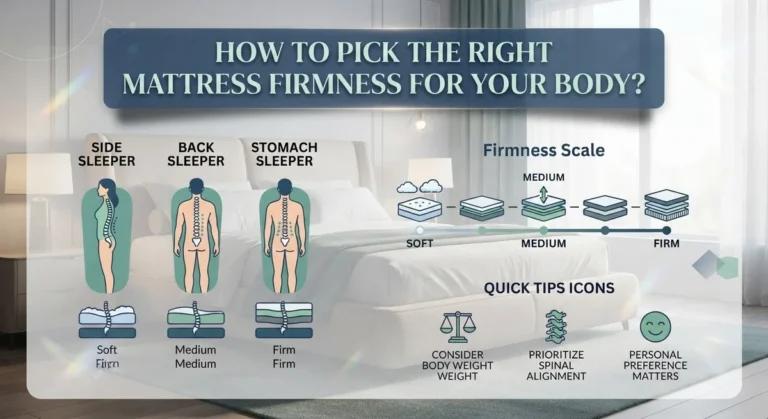
Match your topper’s firmness to your mattress type. If your mattress is already firm, add a softer topper for comfort. If your mattress is soft, choose a firmer topper to prevent sinking too deep. This balance helps you stay cool while feeling supported all night long.
Step-by-Step: How to Evaluate a Cooling Topper Before Choosing One
Start by examining the material construction of any cooling topper you consider. Check whether it uses memory foam, latex, or feather and down. Each material behaves differently when exposed to body heat and air circulation. Read the product description carefully to confirm the actual material composition rather than relying on marketing claims alone.
Next, measure the thickness listed in the specifications. Memory foam toppers need at least 1.5 to 2 inches to deliver real cooling benefits. Latex toppers work best between 2 to 3 inches thick. Anything thinner than these ranges may not provide the heat dissipation you need. Thicker does not always mean better, so stay within these optimal ranges.
For latex toppers, locate the ILD rating in the product details. This number tells you the firmness level on a standardized scale. A soft latex topper typically falls between 14 to 19 ILD. This rating helps you match the topper to your current mattress type.
Compare your mattress firmness against the topper you are considering. If your mattress is already firm, a softer topper adds comfort. If your mattress is soft, a firmer topper provides better support. This pairing affects how well the cooling material performs.
Look for independent reviews and comparisons from consumer resources. These sources test cooling claims and reveal whether toppers actually reduce heat buildup. They also highlight common problems users experience. Avoid toppers with vague cooling descriptions or unsupported promises.
Finally, check the return policy before purchasing. This protects you if the topper does not meet your cooling needs after you try it at home.
Matching a Topper to Your Existing Mattress Type
Your existing mattress type determines which cooling topper will work best for you. Different mattresses have different support levels, and your topper needs to complement what you already own.
Firm mattresses pair well with soft or medium latex toppers. A firm base needs a topper that adds comfort without sinking too much. Latex at 14 to 19 ILD (firmness rating) works great here because it provides cooling plus gentle cushioning on top of hard surfaces.
Medium firmness mattresses do well with memory foam toppers between 1.5 and 2 inches thick. Your mattress already offers some give, so you don’t need extreme softness. A moderate thickness adds cooling benefits without making the bed feel unstable or overly soft.
Soft mattresses need thinner toppers or firmer materials. Adding a thick, soft topper to an already soft mattress creates too much sinking. Instead, choose a latex topper at 2 to 3 inches or consider feather and down, which add minimal extra softness while improving airflow.
Hybrid mattresses (coil plus foam layers) benefit from latex or feather toppers. These materials don’t trap heat like memory foam can. They work with the hybrid’s natural ventilation instead of blocking it.
Innerspring mattresses pair nicely with feather, down, or latex toppers. These traditional mattresses already breathe well, so your topper should maintain that airflow advantage.
Check your mattress documentation for its firmness level. Most manufacturers list this information. If you’re unsure, think about how your body feels on it now. Does it feel supportive or does it sink? This tells you whether you need a softer or firmer topper to balance things out.
Common Mistakes That Lead to Poor Cooling Performance
Many people buy cooling toppers and feel disappointed. The issue usually comes down to a few common mistakes that happen before you even bring the topper home.
The first mistake is choosing a topper that’s too thin. Some shoppers think a thin layer will save money or take up less space. In reality, thin toppers don’t deliver the cooling benefits you need. They compress quickly and lose their effectiveness within months. Your body weight pushes through to the mattress underneath, defeating the purpose entirely.
Another major error is trusting marketing claims without checking the actual material. Manufacturers use words like “cooling” and “breathable” on almost every product. You need to verify what’s actually inside. Read the material composition carefully. Check whether it’s genuine latex, memory foam, or feather. Don’t assume the name tells you everything.
Many people also ignore firmness ratings and ILD numbers. They pick a topper based solely on how it feels in a store or online photo. Firmness matters because it affects how well the topper works with your specific mattress. A topper that’s too soft on a firm mattress creates an uneven surface. A topper that’s too firm on a soft mattress feels uncomfortable and doesn’t cool properly.
Finally, people often skip the return policy step. They purchase without understanding what happens if the topper doesn’t cool as expected. A good return policy protects you if the topper underperforms.
The solution is simple: check thickness first, verify the material second, match the firmness third, and always review the return policy before buying. These steps prevent most cooling topper disappointments.
Troubleshooting: What to Do If Your Topper Still Sleeps Hot
If your cooling topper still feels hot after installation, don’t assume it’s defective. Several practical fixes can solve this issue.
Check your room temperature first. A topper works best in rooms between 60 and 67 degrees Fahrenheit. If your bedroom stays warmer, your topper may struggle to dissipate heat effectively. Consider using a fan or adjusting your thermostat before trying other solutions.
Verify the topper is making full contact with your mattress. Gaps between the topper and mattress trap warm air underneath. Smooth out wrinkles and ensure all edges sit flat against the bed surface. A topper that shifts around loses its cooling ability quickly.
Evaluate your bedding layers. Heavy blankets and synthetic sheets trap heat around your body. Switch to breathable cotton or linen sheets instead. Reduce the number of layers you use at night, especially if you sleep warm naturally.
Check if the topper needs more time to adjust. New toppers sometimes feel warm during the first week as they expand and settle. Give it seven to ten days before deciding it’s ineffective.
Assess your sleeping position and body type. Heavier sleepers compress foam toppers more, which generates internal heat. Side sleepers may need firmer support to prevent sinking into warm pockets. Stomach sleepers sometimes sleep hotter due to body positioning.
Review the topper’s actual material composition. Marketing claims often overstate cooling features. Confirm the topper contains gel, latex, or feather materials rather than standard memory foam. Standard foam retains heat regardless of brand promises.
If these steps don’t help, your topper may simply not match your specific needs. Consider exploring alternative materials or thicknesses that suit your body and sleep style better.
How to Verify Cooling Claims Using Independent Sources
Many cooling mattress toppers make big promises. You need to verify these claims before spending your money. Start by checking independent review sites that test products without brand bias.
Consumer Reports publishes detailed comparisons of cooling toppers. They test materials, measure heat retention, and rate performance honestly. Their testing methods are transparent, so you see exactly how they reach their conclusions.
Search for third party lab testing results. Some manufacturers send toppers to independent labs that measure temperature regulation. These labs use thermal imaging and controlled environments to test cooling performance. Look for published reports that show actual data, not just marketing language.
Read customer reviews on multiple platforms. Focus on verified purchaser reviews from people who actually used the topper. Pay attention to comments about temperature regulation specifically. If many reviewers mention the topper still feels hot, that’s a red flag about cooling claims.
Check material specifications from independent sources. Websites dedicated to mattress materials explain how latex, memory foam, and feather toppers actually work. These sources explain cooling technology without promoting specific brands.
Contact manufacturer customer service and ask for cooling test results. Legitimate companies provide documentation. If they can’t back up their claims with data, that’s telling.
Compare what the marketing says against what independent sources report. If claims seem exaggerated, they probably are. Look for consistency across multiple independent reviews. When several trusted sources agree on cooling performance, you can trust that information more.
Verification takes extra time, but it prevents buying a topper that disappoints you.
Final Thoughts
Picking a cooling mattress topper does not need to feel confusing. Focus on the basics and you will make a smart choice.
Material matters most. Latex and feather down naturally regulate temperature. Standard memory foam often traps heat, so check the construction before you decide.
Thickness affects performance too. Memory foam needs at least 1.5 to 2 inches to work well. Latex toppers perform best at 2 to 3 inches with a soft ILD rating.
Always match your topper to your mattress type. A soft latex topper pairs nicely with a firm hybrid base. This combination balances comfort and airflow.
Do not rely on marketing alone. Verify claims through independent sources like Consumer Reports or lab test data. Real data tells you more than a package label ever will.
Remember the common mistakes people make. They choose toppers that are too thin. They skip firmness checks. They trust ads without proof.
Avoid these errors and you will already be ahead of most shoppers.
If your topper still sleeps hot after setup, troubleshoot calmly. Check your room temperature, your bedding layers, and how the topper contacts your mattress. Small adjustments often fix big problems.
Cooling comfort depends on informed choices, not luck. Take time to research materials, thickness, and firmness before you buy. This simple process saves you money and frustration later.
A good cooling topper should feel breathable, supportive, and consistent night after night. When you combine the right material with the right thickness, your sleep temperature stays balanced.
Trust verified information, not flashy promises. Your best night’s sleep starts with a smart, well informed decision.
Frequently Asked Questions
Which material cools the best?
Latex and feather/down outperform standard memory foam. Latex allows air to flow through its open cell structure, which keeps you cooler throughout the night. Feather and down toppers naturally breathe and regulate temperature without trapping body heat.
Memory foam can work, but only if it’s gel-infused or has cooling additives. Standard memory foam tends to retain warmth because it conforms closely to your body.
How thick should a cooling topper be?
Thickness depends on your material choice. Memory foam needs at least 1.5 to 2 inches to deliver real cooling and comfort benefits. Thinner versions don’t provide enough support or temperature regulation.
Latex toppers work best at 2 to 3 inches thick. This range gives you both cooling airflow and pressure relief without feeling too soft or unstable.
What firmness rating should I look for?
If you choose latex, look for a soft to medium rating between 14 and 19 ILD (Indentation Load Deflection). This range balances cooling with comfort and prevents you from sinking too deep into the topper.
Match the firmness to your mattress type. A soft latex topper works well on firm hybrid mattresses. A firmer topper suits softer mattresses.
How do I know if cooling claims are real?
Don’t trust marketing alone. Check Consumer Reports for independent comparisons and pros/cons. Search for third party lab testing results from neutral sources.
Read customer reviews across multiple platforms. Contact the manufacturer and ask for cooling test results. Compare what the marketing says against what independent sources report. If claims seem exaggerated, they probably are.

DK is the founder of Deep Slumber Finds, where he combines a genuine passion for quality sleep with thorough product research to help readers make confident buying decisions. When he’s not testing mattresses or comparing pillows, you’ll find him exploring the latest sleep science and hunting down the best deals so you don’t have to.