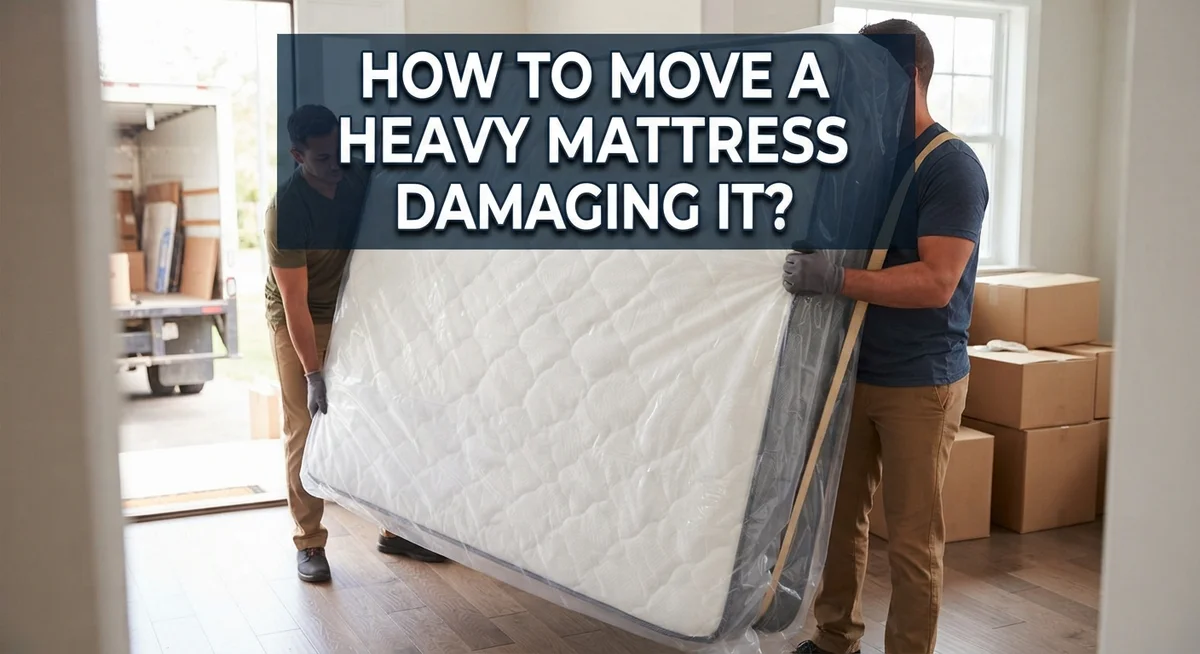
How to Move a Heavy Mattress Without Damaging It?
Moving a heavy mattress feels like a workout you didn’t sign up for. It’s bulky, awkward, and one wrong move can damage it for good.
The good news? You don’t need to be a professional mover to get it right.
A few smart steps make all the difference between a smooth move and a ruined mattress.
This guide walks you through the entire process. You’ll learn how to prepare your mattress before moving day arrives.
We’ll cover the right supplies to grab, like breathable bags and wrapping materials. You’ll also discover proper lifting techniques that protect your back and your mattress.
Every mattress type matters too. Memory foam needs different care than a traditional spring mattress. King and queen sizes almost always need extra hands on deck.
We’ll also point out the common mistakes people make. Standing your mattress upright or wrapping it in the wrong material can cause lasting harm.
By the end, you’ll know exactly how to move your mattress safely. No damage, no drama, and no aching back the next day.
In a Nutshell
Here’s a quick recap of the whole process:
-
Keep it flat. Always transport your mattress lying down. Standing it upright can bend the springs or foam layers.
-
Protect it well. Use a breathable mattress bag or cloth wrap. This shields against dirt and dust while letting air flow through.
-
Clear your path first. Walk through your route before lifting. Move furniture and check doorways for tight spots.
-
Break down the bed frame. Remove the headboard, footboard, and any slats. This gives you more room to maneuver.
-
Lift with care. Bend your knees and use your legs, not your back. Grab a friend or two for queen and king sizes.
-
Handle adjustable beds differently. Unplug the base, flatten it fully, and check the manual for transit locks before moving.
Skip these steps, and you risk damaging your mattress or hurting your back. Follow them, and your move stays smooth and safe.
Why Mattresses Get Damaged During a Move
Mattresses face real risks during moves, and understanding these dangers helps you prevent them. The most common issue happens when people stand mattresses upright. This position puts pressure on the foam core and springs from an angle they’re not designed to handle. Over time, this causes permanent sagging and reduces comfort.
Moisture damage is another major problem. When you wrap a mattress in non breathable plastic, condensation gets trapped inside. This creates the perfect environment for mold and mildew to grow. Your mattress can develop odors and become unhealthy to sleep on, even if the damage isn’t visible at first.
Bending and folding destroy mattress structure too. Memory foam and innerspring systems break down when forced into tight spaces or bent at sharp angles. Once these materials compress or crack, they won’t return to their original shape.
Impact damage occurs during loading and unloading. Dropping a mattress, even from a short height, can rupture the cover and damage internal components. Bumping corners into doorways or stairwells creates dents and tears that get worse over time.
Poor lifting technique causes damage from pressure points. Grabbing a mattress from the wrong spots puts stress on weak areas like seams and edges. This is especially true for adjustable beds, where lifting from the motor or hinged sections can cause mechanical failure.
Inadequate protection during transport matters significantly. Dust, dirt, and debris settle into fabric during a move. Road vibrations and shifting during transport can compress foam unevenly if the mattress isn’t properly secured and supported.
Understanding these risks makes it clear why following proper moving procedures protects your investment and ensures your mattress stays comfortable for years to come.
Supplies You’ll Need Before You Start
Before you start moving your mattress, gather the right supplies. Having everything ready prevents last minute scrambling and protects your mattress from damage.
Breathable mattress bags are your first priority. These bags let air flow through while keeping dust and dirt away from your mattress. Avoid plastic wrapping for storage, as it traps moisture and causes mold growth. You can use plastic temporarily during outdoor transport, but remove it once indoors.
Grab some heavy duty tape to seal bags securely. Duct tape or packing tape works well for this job. You’ll also need markers to label which side is up and which direction faces the headboard.
Furniture sliders or moving blankets make a huge difference. Sliders reduce friction when dragging your mattress across floors. Moving blankets protect corners and edges from bumps and scrapes during transport.
Measure your doorways, hallways, and stairwells before moving day. Write down these measurements so you know if your mattress fits through tight spaces. This prevents forcing your mattress through narrow areas, which causes creasing and bending.
Rope or furniture straps help secure your mattress in the moving vehicle. These keep your mattress from shifting during transport and prevent it from sliding into other items.
Clear your moving path of obstacles like furniture, toys, and clutter. Remove light fixtures or ceiling fans that hang low. Check for sharp corners or protruding nails that could tear your mattress.
Finally, recruit help before moving day. Text friends or family now and confirm they can assist. Moving a queen or king mattress alone is dangerous and nearly impossible.
Preparing the Mattress and Bedroom for Transport
Start by removing your bed frame completely. Take off the headboard, footboard, and any side rails. If your bed has a wooden slat system, remove those too. This step matters because these pieces can shift during transport and damage your mattress.
Next, clear your bedroom of unnecessary items. Move nightstands, lamps, and other furniture out of the way. You need open space to maneuver the mattress safely. Check your doorways and hallways for obstacles like plants or wall decorations that might block your path.
Measure all tight spaces before moving day. Check doorway widths, hallway widths, and any stairwell dimensions. A king mattress is roughly 76 inches wide, so knowing your exact measurements prevents last minute surprises. Mark any corners or turns where you might need to angle the mattress.
Protect your walls and doorframes with padding. Mattresses can scratch paint and damage trim during movement. Use blankets or protective materials along your route.
If you have an adjustable bed, return it to a completely flat position first. Check your manufacturer’s manual for any transit locks or special preparation steps. Unplug the bed from the electrical outlet before moving it.
Prepare your new location too. Clear the bedroom of boxes and furniture. Ensure the path from your entrance to the bedroom is completely open and clean.
Have your helpers ready before you start. Confirm they can arrive on moving day. For queen and king mattresses, you absolutely need at least two people, preferably three or four. Discuss your plan with them so everyone knows what to expect.
Step-by-Step: Safely Lifting and Carrying a Heavy Mattress
Now it’s time to actually lift and carry your mattress. This is where proper technique saves your back and protects your mattress from damage.
Start by positioning yourself and your helpers on opposite sides of the mattress. Each person should stand with feet shoulder width apart. This gives you a stable base for lifting.
Bend at your knees, not your waist. Keep your back straight throughout the entire lift. Place your hands under the mattress, gripping the underside firmly. Never grab the sides or top surface. This prevents pressure damage to the foam or springs.
On the count of three, lift together using your leg muscles. Your helpers should lift at the same time to keep the mattress level. An uneven lift causes the mattress to bend or twist.
Once lifted, hold the mattress close to your body. This reduces strain on your arms and back. Keep the mattress completely flat as you move. Never tilt it at angles or hold it vertically.
Walk slowly and deliberately. Watch for doorways, corners, and low ceilings. One person should guide while others focus on carrying. Communication is essential. Call out obstacles and coordinate your steps.
If you’re moving the mattress up stairs, keep it flat and horizontal. This requires extra helpers. Move slowly and carefully. Never let the mattress fold or bend around corners.
For tight spaces, you may need to angle the mattress slightly. Do this gently and only when necessary. Return it to flat position immediately after passing through.
When you reach your destination, lower the mattress using the same technique. Bend your knees and keep your back straight. Lower slowly and deliberately onto the bed frame. Avoid dropping it suddenly, which damages the internal structure.
Special Considerations for Memory Foam and Adjustable Beds
Memory foam mattresses need extra care during moves because heat and pressure can damage their structure. Keep your memory foam mattress flat at all times. Standing it upright or folding it can create permanent creases that affect comfort and support.
Use a breathable mattress bag instead of plastic wrap. Memory foam needs airflow. Plastic traps moisture and heat, which can degrade the foam’s cellular structure. If you must move the mattress outside, wrap it in plastic only for that portion of the journey, then remove it immediately.
Transport memory foam slowly and avoid dropping it. The foam is sensitive to impact. Even a short fall from a truck can compress sections unevenly. Have enough helpers to keep the mattress level throughout the entire move.
Adjustable beds require different handling. Return the bed to its completely flat position before moving it. Check your user manual for transit locks or safety features your specific model has. Some adjustable beds have locking mechanisms you must engage during transport.
Never lift an adjustable bed by its motor, hinged joints, or control panel. These components are fragile. Lift from the sturdy frame edges instead. Unplug the bed and disconnect any remote controls before moving.
For adjustable beds in vehicles, secure them with straps to prevent shifting. Keep them flat and horizontal during transport. If your adjustable bed has a wireless remote, store it safely in your car, not in the moving truck.
Both memory foam and adjustable beds benefit from climate controlled vehicles. Extreme temperatures can affect foam performance and electronic components. Plan your move during mild weather when possible.
Loading and Securing the Mattress in a Vehicle
Once you’ve lifted your mattress safely, the next step is getting it into your vehicle. Position your vehicle as close as possible to your exit point. This reduces the distance you carry the mattress and lowers injury risk.
Keep the mattress flat and horizontal during loading. Never stand it upright or angle it sharply. Tilting compresses the internal structure and can create permanent damage inside the foam or springs.
Load the mattress first, before other furniture. Place it against the vehicle’s rear wall or longest side. This prevents it from sliding during transport. Make sure the mattress lies completely flat on the vehicle floor, not propped at angles.
Use rope or furniture straps to secure the mattress once it’s positioned. Attach straps across the width and length of the mattress. Secure them to anchor points in your vehicle. Tighten straps firmly but not so tight they compress the mattress.
Leave space around the mattress for airflow. Don’t pack boxes or other items directly on top of it. This prevents moisture buildup and keeps the protective covering intact.
For larger vehicles, you may need to secure the mattress in the center rather than against walls. This prevents edges from shifting during turns or sudden stops.
Check your mattress position before driving. It should not move when you gently push it. If it shifts easily, tighten your straps more.
During transport, avoid sudden acceleration, hard braking, and sharp turns. These movements can cause the mattress to slide or compress unevenly. Drive smoothly and steadily to your destination.
Common Mistakes That Lead to Damage or Injury
Moving a heavy mattress seems simple until something goes wrong. Many people damage their mattress or hurt themselves because they skip important safety steps.
Standing your mattress upright is the biggest mistake people make. When you stand a mattress on its edge, the internal springs and foam compress unevenly. This creates permanent dents and weak spots. The mattress may never return to its original shape. Always keep your mattress flat during the entire move.
Using non breathable plastic wrap causes serious problems too. Plastic traps moisture inside the mattress. This moisture creates mold and mildew that spread quickly. Your mattress becomes unusable even if the structure stays intact. Breathable materials like cloth bags or moving blankets protect your mattress while allowing air circulation.
Lifting from the wrong points injures people and damages your mattress. Never grab the sides or corners of a mattress. These areas have weak stitching that tears easily. On adjustable beds, avoid lifting the motor, control panel, or hinged sections. These components break under pressure and cost money to repair.
Attempting to move alone with a king or queen mattress creates injury risk. Heavy mattresses require at least two people. Your back suffers when you try solo moves. The mattress also gets dropped or bent at awkward angles.
Rushing through the move causes accidents. Take your time positioning helpers. Walk slowly with the mattress. Avoid twisting your body or making sudden movements.
Finally, many people forget to clear their path before lifting. Obstacles cause you to stumble or drop the mattress. Walk through your route and remove furniture, boxes, and clutter first.
Troubleshooting Tricky Moves: Stairs, Tight Hallways, and Solo Situations
Stairs present one of the biggest challenges when moving a mattress. The key is to keep your mattress flat and horizontal while navigating each step. You’ll need at least two people, ideally three, to manage the weight and angles safely.
Start by measuring your staircase width and your mattress dimensions. If your mattress is wider than the staircase, you may need to angle it slightly as you move. Test this angle on the first few steps before committing to the full journey.
Position your helpers strategically. One person should be at the top of the stairs, one at the bottom, and one in the middle supporting the mattress. Move slowly and communicate constantly. Call out “up” or “down” to stay coordinated.
Tight hallways require similar planning. Measure doorways and hallway widths before moving day. You might need to tilt the mattress at a slight angle to fit through narrow passages. Never fold or crease your mattress to squeeze it through spaces.
Solo moves with king or queen mattresses are generally not feasible and risk serious injury. If you must move alone, consider these alternatives: hire professional movers, ask friends for help, or use equipment like furniture dollies designed for mattresses. A twin or full mattress is more manageable solo, but even then, proper technique matters.
For adjustable beds on stairs, return the bed to its completely flat position first. Check your manual for any transit locks or special instructions. These beds are heavier and bulkier, so extra help is essential.
Always clear your path completely before starting. Remove rugs, toys, and obstacles. Open all doors fully and secure them so they won’t swing closed during your move.
Final Thoughts
Moving a heavy mattress does not need to be stressful. Good planning makes all the difference between a smooth move and a damaged mattress.
Remember the basics. Keep your mattress flat during transport. Use a breathable bag instead of plastic wrap.
Proper lifting technique protects both you and your mattress. Bend your knees, not your back. Ask for help with king and queen sizes.
Clear your path before you start moving. Measure doorways, hallways, and staircases first. This simple step prevents scratches, dents, and injuries.
Adjustable beds need extra care. Return them to a flat position before moving. Unplug all cords and check the manual for transit locks.
Take your time with each step. Rushing leads to mistakes and accidents. A few extra minutes of planning saves hours of stress later.
Your mattress is a big investment. It deserves careful handling every time you move it. Following these steps helps it last longer and stay comfortable.
Whether you move across town or across the room, the same rules apply. Protect your mattress, secure it properly, and lift with care. These small efforts prevent big problems.
Team up with friends or family for larger mattresses. Extra hands make heavy lifting safer and easier. Never risk your back or your mattress by working alone.
Moving day does not have to be daunting anymore. With the right prep work, you can handle even bulky mattresses without stress. Your back, your walls, and your mattress will thank you.
Stay patient, stay careful, and follow each step. Your mattress will arrive safely at its new home, ready for many more nights of good sleep.
Frequently Asked Questions
Can I stand my mattress upright during the move?
No. Standing your mattress upright is the biggest mistake people make. When you stand it up, the internal springs and foam layers shift and compress unevenly. This causes permanent damage that you cannot fix later.
Always keep your mattress flat during the entire move. Lay it flat on the dolly, flat in the truck, and flat in your new room. This protects the internal structure and keeps everything aligned properly.
What type of covering should I use for my mattress?
Use breathable materials like cloth wrapping or special mattress bags designed to let air flow. These keep dust and dirt away while preventing moisture from getting trapped inside.
Avoid non breathable plastic wrap. Plastic traps humidity and can cause mold or mildew to grow on your mattress. If you must move outside in wet weather, wrap plastic around the breathable bag as a temporary shield only.
Can I move a king mattress by myself?
No. King and queen mattresses are too heavy and awkward for one person to handle safely. You risk serious back injury and dropping the mattress, which causes tears and structural damage.
Always get at least one helper for queen sizes and two helpers for king sizes. This makes the move faster, safer, and much easier on your body.
How do I protect a memory foam mattress during moving?
Memory foam mattresses need the same flat transport as traditional mattresses. Use a breathable mattress bag to protect it from dust and damage.
Keep it flat throughout the entire move. Memory foam is sensitive to pressure and folding, so proper positioning matters even more with this type.
What should I do with an adjustable bed?
Return your adjustable bed to its completely flat position before moving. Unplug it from the electrical outlet first. Check your manual for any transit locks or special instructions for your model.
Never lift an adjustable bed by the motor or hinged joints. These components break easily and are expensive to repair. Lift from the frame only.

DK is the founder of Deep Slumber Finds, where he combines a genuine passion for quality sleep with thorough product research to help readers make confident buying decisions. When he’s not testing mattresses or comparing pillows, you’ll find him exploring the latest sleep science and hunting down the best deals so you don’t have to.