How to Reduce Mild Sleep Apnea Symptoms Without a CPAP Machine?
Do you wake up feeling exhausted even after a full night of sleep? Does your partner complain about your loud snoring? You might be dealing with mild sleep apnea. This condition affects millions of people, and it causes repeated pauses in breathing during sleep.
The standard treatment is a CPAP machine, but many people find the mask uncomfortable, noisy, or hard to use every night. In fact, research shows that CPAP adherence rates can be as low as 50%.
The good news? If you have mild sleep apnea, you have several effective options beyond the CPAP machine. Mild obstructive sleep apnea (OSA) is defined by an Apnea Hypopnea Index (AHI) of 5 to 14 events per hour.
At this level, lifestyle changes, oral devices, exercises, and sleep adjustments can make a real difference. This post gives you practical, step by step solutions to reduce your symptoms and sleep better. Each method includes clear pros and cons so you can decide what fits your life best.
Key Takeaways
- Mild sleep apnea can often be managed without a CPAP machine through a combination of lifestyle changes, positional therapy, and oral devices. Many people with an AHI between 5 and 14 see real improvement with these methods alone.
- Weight loss is one of the most effective strategies. Research shows that losing just 10% of body weight can reduce sleep apnea severity. Each kilogram of weight lost can lower AHI by about 0.78 events per hour on average.
- Sleeping on your side instead of your back reduces airway collapse. Studies show that nearly 62% of people with OSA have position dependent symptoms, which means a simple change in sleep position can cut apnea events significantly.
- Mouth and throat exercises can reduce snoring by up to 36%. These oropharyngeal exercises strengthen the muscles that keep your airway open during sleep. Results appear after consistent daily practice for 8 to 12 weeks.
- Oral appliances like mandibular advancement devices work well for mild to moderate cases. They push the lower jaw forward to keep the airway open and are a popular option for people who cannot tolerate CPAP therapy.
- Combining multiple methods delivers the best results. People who pair weight loss with positional therapy and exercise see greater improvement than those who rely on a single approach. Always consult your doctor before starting any new treatment plan.
What Is Mild Sleep Apnea and How Is It Diagnosed
Mild sleep apnea is a condition where your breathing stops and starts repeatedly during sleep. Doctors measure its severity using the Apnea Hypopnea Index (AHI), which counts the number of breathing pauses per hour. An AHI of 5 to fewer than 15 events per hour classifies as mild sleep apnea. Moderate sleep apnea falls between 15 and 30, and severe is above 30.
Diagnosis usually happens through a sleep study, either at a clinic or at home. During the study, sensors track your breathing, oxygen levels, heart rate, and body position. Your doctor reviews the data and assigns an AHI score. Many people with mild sleep apnea feel tired during the day, snore loudly, or wake up with a dry mouth or headache.
The important thing to understand is that mild does not mean harmless. Left untreated, even mild sleep apnea can raise your risk of high blood pressure, heart problems, and daytime fatigue. However, at this level, you have the best chance of managing symptoms without a CPAP machine. Many doctors recommend trying lifestyle changes and alternative treatments first before moving to a CPAP for mild cases.
Understanding your exact AHI score and symptoms helps you and your doctor choose the right approach. Ask for a copy of your sleep study results and discuss them in detail at your next appointment.
Why Some People Avoid CPAP Machines
CPAP therapy is the gold standard treatment for obstructive sleep apnea. It works by delivering a steady stream of pressurized air through a mask to keep your airway open. But a large number of patients struggle with long term use. Some find the mask uncomfortable. Others deal with dry mouth, skin irritation, or a feeling of claustrophobia.
Cost is another issue. A CPAP machine can cost $500 to $1,000 or more out of pocket. Insurance often requires a rent to own plan with strict compliance rules. Medicare, for example, may require you to use the machine at least four hours per night on 70% of nights during a 30 day compliance period.
Noise from mask leaks can also disturb both the user and their sleeping partner. These side effects cause many people to skip nights or stop using the machine entirely. When CPAP use is inconsistent, it cannot provide the full benefit. This is why finding alternatives for mild sleep apnea is so practical.
Pros of seeking alternatives: Greater comfort, better sleep quality, no equipment maintenance, and easier travel. Cons: Alternatives may not work for moderate or severe cases, and results can take longer to appear. The best step is to talk with your doctor about your options.
Lose Weight to Open Your Airway
Weight loss is one of the most powerful tools against mild sleep apnea. Excess weight, especially around the neck and throat, adds pressure to the airway. Fat deposits at the base of the tongue and around the throat can narrow the air passage and increase the chance of collapse during sleep.
Research shows impressive results. A study published in Sleep Medicine found that for every kilogram of weight lost, AHI dropped by about 0.78 events per hour. Harvard Health reports that losing just 10% of body weight can have a big effect on sleep apnea symptoms. In some cases, this amount of weight loss can resolve mild sleep apnea entirely.
A BMI reduction of 20% has been linked to a 50% reduction in AHI. This means a person weighing 200 pounds could see significant improvement by losing 40 pounds. The approach works best when you combine a balanced diet with regular physical activity.
Pros: Improves overall health, reduces blood pressure, lowers heart disease risk, and can significantly reduce or eliminate mild sleep apnea. Cons: Takes time and consistency, does not work for everyone (some thin people also have sleep apnea), and weight loss alone may not completely cure the condition. Pairing weight loss with other methods in this list gives you the best chance of success.
Change Your Sleep Position
Your sleep position has a direct effect on airway obstruction. Sleeping on your back (supine position) allows gravity to pull the tongue and soft tissues backward. This narrows the airway and increases the number of apnea events. One study found that nearly 62% of people with OSA have position dependent symptoms.
The fix is straightforward: sleep on your side. Side sleeping keeps the tongue and throat tissues from collapsing into the airway. Many people notice an immediate reduction in snoring and breathing pauses after switching positions.
Several tools can help you stay off your back. Positional therapy devices include wearable sensors that vibrate gently when you roll onto your back. Some people use a simple tennis ball sewn into the back of a sleep shirt. Wedge pillows and body pillows can also encourage side sleeping throughout the night.
Research published in the Journal of Clinical Sleep Medicine confirms that positional therapy reduces AHI scores and improves oxygen saturation in people with position dependent sleep apnea. Pros: Low cost, easy to start, no side effects, and works immediately for many people. Cons: Some devices may slip off during sleep, it takes time to build the habit, and it does not help if your apnea is not position dependent. Ask your doctor to check whether your sleep apnea is worse on your back to see if this method suits you.
Elevate the Head of Your Bed
Raising the head of your bed is a simple adjustment with proven benefits. When your head and upper body are slightly elevated, gravity helps keep the airway open. It also reduces the pressure of abdominal fat pushing against the diaphragm.
A study in the Journal of Clinical Sleep Medicine found that a mild head of bed elevation of 7.5 degrees reduced OSA severity by an average of 31.8%. This is a meaningful improvement for people with mild sleep apnea. Some experts recommend an elevation between 30 to 45 degrees for best results, though even a modest incline can help.
You can achieve this by using a wedge pillow or placing blocks under the head of your bed frame. Avoid stacking regular pillows, as this bends your neck at an awkward angle and can actually worsen breathing. The goal is to raise your entire upper body, not just your head.
Pros: Inexpensive, easy to set up, no ongoing effort required, and also helps with acid reflux and snoring. Cons: May feel uncomfortable at first, can cause you to slide down the bed during the night, and may not be enough as a standalone solution for everyone. This method works best when combined with side sleeping and other lifestyle adjustments.
Practice Mouth and Throat Exercises
Oropharyngeal exercises strengthen the muscles in your mouth, tongue, and throat. Weak muscles in this area are more likely to collapse during sleep, which blocks your airway. Regular exercise builds muscle tone and keeps the airway open.
A randomized trial published in Chest found that three months of oropharyngeal exercises reduced snoring frequency by 36% and snoring power by 59%. Other research shows that these exercises can reduce AHI in people with mild to moderate sleep apnea. Some studies report an improvement of up to 30% in symptom severity.
Here are some effective exercises you can do daily. Tongue push ups: Press your entire tongue against the roof of your mouth and hold for 10 seconds. Cheek puffs: Fill your cheeks with air, then shift the air from side to side. Repeat 10 times. Vowel sounds: Say “A, E, I, O, U” loudly and clearly, exaggerating each sound. Do this for 3 minutes. Jaw stretch: Open your mouth wide, touch your tongue to your lower front teeth, and hold for 10 seconds.
Pros: Free, can be done anywhere, no equipment needed, and evidence supports their effectiveness. Cons: Requires daily commitment for at least 8 to 12 weeks to see results, can feel tedious, and results vary from person to person. Consistency is the key with these exercises.
Try an Oral Appliance
Oral appliances are dental devices worn during sleep. The most common type is a mandibular advancement device (MAD). It fits over the upper and lower teeth and pushes the lower jaw slightly forward. This opens the space behind the tongue and reduces airway collapse.
The American Academy of Sleep Medicine recommends oral appliances as a first line treatment for mild to moderate obstructive sleep apnea. Research from the Cleveland Clinic confirms that these devices improve symptoms in many patients. They are also recommended for people who cannot tolerate CPAP therapy.
A custom fitted oral appliance made by a dentist tends to work better than generic versions. Your dentist will take impressions of your teeth and adjust the device for comfort and effectiveness. Follow up visits ensure the device continues to fit well and work properly.
Pros: Quiet, portable, easy to clean, no electricity needed, and well tolerated by most users. Cons: Can cause jaw soreness, tooth discomfort, or changes in bite alignment over time. Custom devices can be expensive without insurance. Also, about one in three patients may not see significant improvement from oral appliance therapy alone. Tongue retaining devices are another option, though many people prefer MADs for comfort.
Avoid Alcohol Before Bed
Alcohol relaxes the muscles in your throat. This relaxation makes the airway more likely to collapse during sleep, which worsens snoring and apnea events. Even moderate drinking in the evening can increase the number and duration of breathing pauses.
A systematic review published in BMC Medicine found a clear link between alcohol consumption and increased OSA risk and severity. The American Academy of Sleep Medicine lists avoiding alcohol as one of the first steps in managing obstructive sleep apnea, alongside weight loss and positional changes.
The timing matters too. Drinking alcohol within 3 to 4 hours of bedtime has the strongest effect on sleep apnea symptoms. Your muscles are most relaxed during the early stages of sleep, which is when alcohol’s sedative effect is strongest. This combination creates ideal conditions for airway obstruction.
Pros: Free, immediate impact, and improves overall sleep quality beyond just apnea symptoms. Cons: Requires a lifestyle change that some people find difficult, and social situations may make it challenging to avoid evening drinks consistently. Even cutting back rather than eliminating alcohol completely can produce a noticeable improvement. If you drink regularly, try stopping for two weeks and track whether your symptoms improve.
Quit Smoking to Reduce Airway Inflammation
Smoking causes inflammation and swelling in the upper airway. This narrows the air passage and makes it harder to breathe during sleep. Smokers also produce more mucus, which adds to the obstruction. These effects increase both the frequency and severity of apnea events.
Research published in Chest confirms a connection between smoking and obstructive sleep apnea. The inflammation from smoking irritates the soft tissues of the throat, making them more prone to collapse. Current smokers are at a significantly higher risk of developing or worsening sleep apnea compared to nonsmokers.
Quitting smoking reduces airway inflammation over time. Within a few weeks, the swelling in your throat begins to decrease. After several months, the airway tissue heals further, and breathing during sleep improves. The benefits go beyond sleep apnea and include lower risk of heart disease, stroke, and lung disease.
Pros: Reduces airway inflammation, improves oxygen levels, lowers overall health risks, and may reduce AHI over time. Cons: Quitting is difficult and often requires multiple attempts, withdrawal symptoms can temporarily disrupt sleep, and the benefits for sleep apnea appear gradually rather than immediately. Talk to your doctor about nicotine replacement therapy or other cessation tools if you need help quitting.
Exercise Regularly Even Without Weight Loss
Physical exercise reduces sleep apnea symptoms even if you do not lose weight. The Mayo Clinic confirms this finding. Exercise improves muscle tone throughout the body, including the muscles that support the upper airway. It also reduces fluid buildup in the neck that can contribute to airway obstruction at night.
Aim for at least 30 minutes of moderate exercise most days of the week. Activities like brisk walking, swimming, cycling, and yoga all count. Aerobic exercise is especially helpful because it improves cardiovascular fitness and lung capacity. Better lung function means more efficient oxygen exchange during sleep.
Yoga deserves special mention. It combines physical movement with breathing exercises that strengthen the respiratory muscles. Some yoga poses specifically target the throat and neck area. Research suggests that yoga and targeted throat exercises can reduce sleep apnea symptoms by up to 30%.
Pros: Improves overall health, boosts energy, reduces stress and anxiety, and improves sleep quality even beyond apnea. Cons: Requires consistent effort, results take weeks to become noticeable, and exercise alone may not be enough for everyone. The best approach is to pair regular exercise with other strategies from this guide.
Maintain a Consistent Sleep Schedule
Going to bed and waking up at the same time every day improves your sleep architecture. This means your body cycles through the stages of sleep more efficiently. Poor sleep schedules can increase the time spent in lighter stages of sleep, where apnea events are more common.
Sleep deprivation itself can worsen sleep apnea. When you are overtired, your throat muscles relax more during sleep. This increases the chance of airway collapse. A regular schedule helps your body maintain a healthy rhythm and can reduce the overall number of breathing disturbances.
Try to keep your bedtime and wake time within a 30 minute window every day, including weekends. Create a calming bedtime routine that signals your body to prepare for sleep. Avoid screens, caffeine, and heavy meals in the two hours before bed. A cool, dark, and quiet bedroom promotes deeper, more restful sleep.
Pros: Free, easy to implement, and improves overall sleep quality and daytime energy. Cons: Takes discipline, may be challenging for shift workers or people with variable schedules, and does not directly address the physical causes of airway obstruction. This method works best as part of a broader sleep improvement plan.
Focus on Nasal Breathing
Breathing through your nose during sleep keeps the airway more stable than mouth breathing. Nasal breathing increases airflow resistance slightly, which creates a natural pressure that helps hold the airway open. It also warms and filters the air, improving oxygen exchange in the lungs.
Mouth breathing, on the other hand, allows the jaw to drop open. This pulls the tongue backward and narrows the airway. Many people with sleep apnea breathe through their mouths without realizing it. Addressing nasal congestion and promoting nasal breathing can reduce apnea events.
Several practical steps can help. Treat allergies and sinus issues with saline rinses or nasal sprays. Use a nasal strip at night to physically widen the nasal passages. Practice breathing through your nose during the day to build the habit. Some people use mouth tape (a small strip placed over the lips) to encourage nasal breathing during sleep, though you should discuss this with your doctor first.
Pros: Supports airway stability, reduces snoring, improves oxygen levels, and costs little or nothing. Cons: Does not work if you have significant nasal obstruction or a deviated septum (which may need medical treatment), and mouth taping is not suitable for everyone. Address any underlying nasal problems before relying on this method.
Adjust Your Diet for Better Sleep
What you eat affects your airway inflammation, weight, and sleep quality. A diet rich in anti inflammatory foods can reduce swelling in the throat and improve breathing during sleep. Foods like fruits, vegetables, fatty fish, nuts, and whole grains contain nutrients that fight inflammation.
Avoid heavy meals within three hours of bedtime. A full stomach pushes the diaphragm upward and puts extra pressure on the airway. Foods high in sugar, refined carbohydrates, and saturated fat promote inflammation and weight gain, both of which worsen sleep apnea.
Some specific nutrients support better sleep. Omega 3 fatty acids found in salmon, mackerel, and walnuts have anti inflammatory properties. Magnesium found in leafy greens, almonds, and bananas helps relax muscles and promote sleep. Staying hydrated throughout the day keeps mucous membranes moist and reduces airway irritation at night.
Pros: Supports weight management, reduces inflammation, improves overall health, and can enhance the effectiveness of other treatments. Cons: Dietary changes require planning and consistency, results are gradual, and diet alone is unlikely to resolve sleep apnea. Think of this as a foundation that makes all other methods more effective.
Know When to See a Doctor
While the methods in this guide can make a significant difference for mild sleep apnea, professional guidance is essential. You should see a doctor if your symptoms do not improve after trying lifestyle changes for several weeks. Also seek medical attention if you experience excessive daytime sleepiness, morning headaches, difficulty concentrating, or if your partner notices that you stop breathing during sleep.
Your doctor may recommend a follow up sleep study to measure whether your AHI has improved. They can also check for underlying conditions like a deviated septum, enlarged tonsils, or a jaw structure that contributes to airway obstruction. Some of these issues require medical or surgical treatment that lifestyle changes alone cannot address.
For some people, a combination approach works best. Your doctor might suggest pairing an oral appliance with positional therapy and weight loss. In certain cases, newer treatments like hypoglossal nerve stimulation offer options for people who do not respond to other methods. This implanted device gently stimulates the nerve that controls the tongue, keeping the airway open during sleep.
Pros of professional guidance: Accurate diagnosis, personalized treatment plan, ability to monitor progress, and access to advanced treatments. Cons: Can involve costs, time, and multiple appointments. But investing in proper care protects your long term health and ensures you find the approach that truly works for you.
Combine Multiple Methods for the Best Results
No single method works perfectly for everyone. The most successful approach to managing mild sleep apnea combines several strategies at once. Research confirms that people who pair weight loss with positional therapy see better outcomes than those who use only one method.
Start with the changes that are easiest for you to implement. For example, switch to side sleeping tonight and begin mouth exercises tomorrow. Add regular exercise to your weekly routine. Cut out alcohol close to bedtime. Over the following weeks, work on dietary improvements and weight management goals.
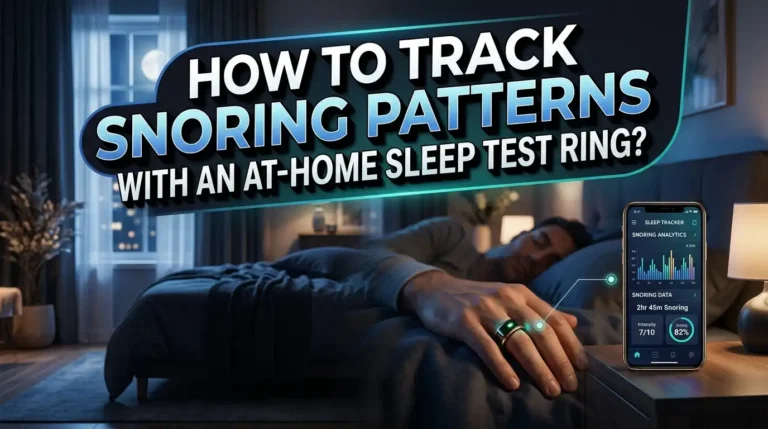
Track your progress by keeping a sleep journal. Note your bedtime, wake time, how rested you feel, and whether your partner notices changes in snoring. Many smartphone apps and wearable devices can also monitor snoring patterns and sleep quality to give you useful data.
Review your results after 8 to 12 weeks. If you see meaningful improvement, continue with the methods that work. If symptoms persist, bring your journal to your doctor and discuss next steps. A follow up sleep study can objectively measure whether your AHI has decreased. The goal is to find the right combination that lets you sleep well, breathe freely, and wake up feeling genuinely rested.
Frequently Asked Questions
Can mild sleep apnea go away on its own?
Mild sleep apnea rarely resolves completely without some form of intervention. However, significant lifestyle changes like weight loss, regular exercise, and positional therapy can reduce symptoms to a level where they no longer cause noticeable problems. Some people who lose a substantial amount of weight do see their AHI drop below the diagnostic threshold. The key is consistent effort across multiple areas rather than waiting for the condition to improve by itself.
How long does it take to see improvement from lifestyle changes?
Most people begin to notice improvements within 4 to 12 weeks of making consistent changes. Weight loss results depend on how much weight you need to lose and your approach. Mouth and throat exercises typically show results after 8 to 12 weeks of daily practice. Positional therapy and bed elevation can produce immediate benefits from the first night. The timeline varies for each person and each method.
Are oral appliances as effective as CPAP machines?
Oral appliances are less effective than CPAP for moderate to severe sleep apnea, but they perform well for mild cases. Studies show that mandibular advancement devices reduce AHI and improve symptoms in many patients with mild to moderate OSA. Because people tend to use oral appliances more consistently than CPAP machines, the real world effectiveness can be comparable for mild cases. Your dentist and sleep doctor can help determine if an oral appliance is right for you.
Is it safe to use mouth tape during sleep?
Mouth taping is a practice some people use to encourage nasal breathing during sleep. It involves placing a small, porous tape strip over the lips. While some users report reduced snoring, you should talk to your doctor before trying this method. It is not safe for people with nasal congestion, a deviated septum, or severe sleep apnea. If you cannot breathe comfortably through your nose, mouth taping can be dangerous.
Should I still get a sleep study if I only have mild symptoms?
Yes. A sleep study is the only way to accurately diagnose sleep apnea and determine its severity. Many people underestimate their symptoms because they do not remember waking up during the night. A sleep study provides objective data, including your AHI, oxygen levels, and sleep stages. This information helps your doctor create an effective treatment plan and gives you a baseline to measure your progress against.
Can exercise alone cure mild sleep apnea?
Exercise alone is unlikely to completely cure mild sleep apnea, but it can significantly reduce symptoms. The Mayo Clinic notes that regular exercise improves sleep apnea outcomes even without weight loss. Exercise strengthens airway muscles, reduces inflammation, and improves cardiovascular health. For the best results, combine exercise with other methods like positional therapy, dietary changes, and mouth exercises.

DK is the founder of Deep Slumber Finds, where he combines a genuine passion for quality sleep with thorough product research to help readers make confident buying decisions. When he’s not testing mattresses or comparing pillows, you’ll find him exploring the latest sleep science and hunting down the best deals so you don’t have to.