Leesa Sapira Hybrid Review: Cooling, Support, and Motion Performance Tested
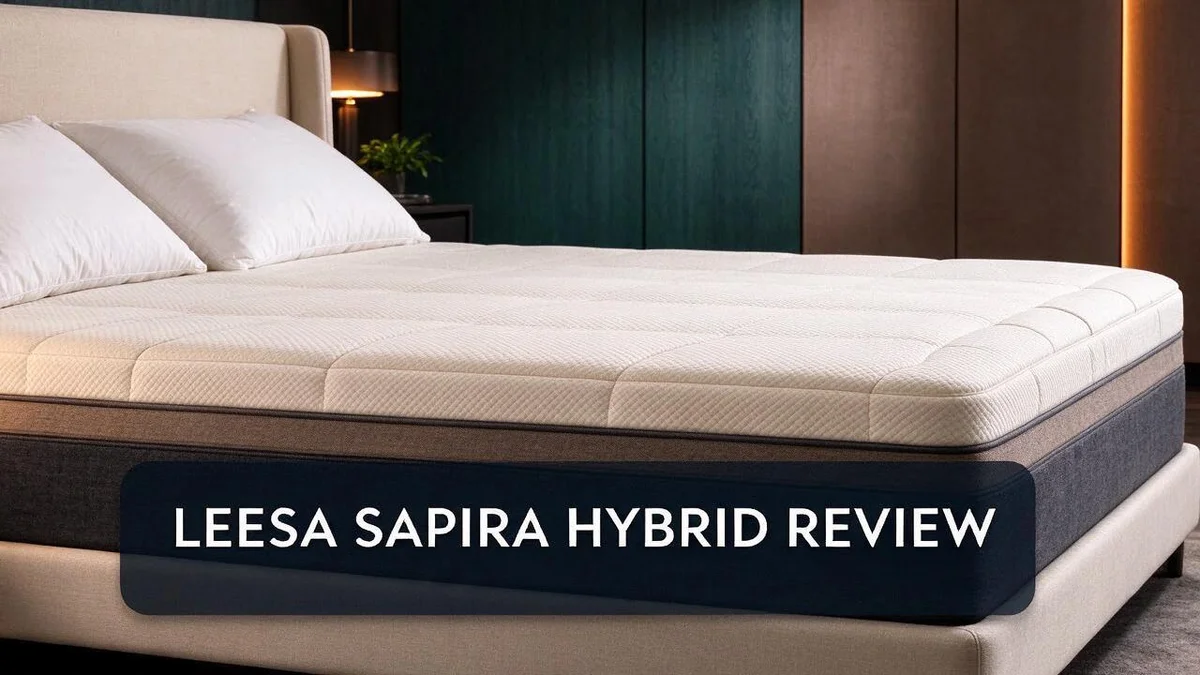
Are you hunting for a mattress that feels cool, supportive, and quiet all night? The Leesa Sapira Hybrid might be the answer you need. It is a 13.5 inch hybrid bed that blends comfort with smart design.
Inside, you will find poly foam top layers, pocketed coils, and a support foam base. This mix gives you zoned support where your body needs it most. The cover also stays cool to the touch, so you can sleep without overheating.
Many customers praise its pressure relief and cooling performance. It also offers good edge support and very little noise. Side sleepers who weigh between 130 and 230 pounds often feel right at home on it.
Is it perfect for every couple? Not quite. The bounce from the coils can make movement easy to feel, so partners may notice each shift. Keep reading to see if it fits your sleep style.
In a Nutshell
-
Made for side sleepers: This model suits light and average weight side sleepers, roughly 130 to 230 lbs. If you sleep on your side, this bed should feel comfortable.
-
Firm edges: The edges hold their shape well, so you can sit or sleep near the sides with confidence. Couples who share a bed often appreciate this extra room.
-
Quiet performance: The mattress makes minimal noise, which helps light sleepers rest without interruption. Fewer sounds from the bed mean a calmer night for everyone.
-
Zoned support: Different zones give your body targeted support across the surface. This design helps keep your spine in a more natural line.
-
Strong customer ratings: Shoppers give it a 4.4 out of 5 average rating. Google reviews rate it 5.0 from 1,119 reviews, so many buyers feel happy with their choice.
-
Good alternatives: Leesa Original offers a foam only feel from the same brand, while DreamCloud provides less cooling than Sapira. Compare both options before you decide.
Build and Materials

- JUST-RIGHT FEEL: A medium-firm hybrid that balances premium foam cushioning with gentle bounce, made to...
- BREATHABLE COMFORT: GreenFlex Foam's open-cell structure and ventilated channels help heat escape under a...
Last update on 2026-11-18 / Affiliate links / Images from Amazon Product Advertising API
Let’s take a closer look at how the Leesa Sapira Hybrid is built. The mattress measures 13.5 inches from top to bottom. That thickness gives the bed a full and substantial look on any frame.
The outer cover deserves attention too. It feels cool to the touch, so the surface often feels comfortable when you first climb into bed. This simple feature can make a real difference on warm evenings.
Each part of the build has a clear role. The top layers shape the surface you feel first. Pocketed coils sit beneath them and add lift. The support base then anchors the whole structure.
Dense foams add a responsive feel to the layers. You can shift across the bed and feel the surface push back. This gives the mattress a lively character that many people enjoy.
Pocketed coils work differently from a solid coil system. Each coil sits in its own fabric pocket. This setup lets individual coils respond to pressure in their own area. The bed can adjust to your body with more precision.
Layered construction also helps a mattress keep its shape over time. Good care and regular rotation can extend the life of the bed. Many sleepers find that a well-supported base keeps the surface even for years.
The materials work together as a team. The foam softens the top, the coils add spring, and the base keeps everything steady. Think about how much bounce you want before you decide. Some sleepers love a lively surface, while others prefer a calmer feel.
Take time to picture how these layers suit your sleep style. A clear understanding of the build makes it easier to know what to expect. When you know how each layer works, you can feel confident about your choice.
Support and Pressure Relief
The top layers play a big role in pressure relief. Pressure relief starts at the top. The poly foam layers soften under your shoulders and hips. This softness helps your weight spread out evenly.
Side sleepers often feel the most pressure at the shoulder and hip. These areas sink a little deeper into the surface. The cushioning eases that load, so your joints feel less strain.
The coils play a supporting role. They push back against your weight. This stops your hips from sinking too far.
Support also comes from the base. The support foam base helps keep your spine in a neutral line. Good alignment can ease morning stiffness for many people.
Body shape matters as much as weight. Broad hips may need more push from the core. Narrow frames often sink less, so the feel changes from person to person.
Try a simple test before you decide. Lie in your usual sleep position for at least ten minutes. Notice whether your shoulders and hips feel free of pressure.
Ask yourself a few quick questions. Does your lower back feel supported? Do your shoulders sink too deep? Does your arm fall asleep easily?
Morning feedback matters too. If you wake up less often, the surface likely handles pressure well. Pay attention to how your body feels after a full night.
Back and stomach sleepers need extra testing. The research focuses on side sleepers, so other positions may feel different. Test those positions with care.
A supportive surface should feel balanced. You should not feel stuck or trapped. Good pressure relief lets you shift positions with ease.
Partners with different body types should both test the surface. What feels soft to one person may feel firm to another. Each person should lie down separately.
Your comfort matters most. Take your time with the test. Your body will tell you if the support fits your sleep style.
Cooling and Temperature Control
Warm sleepers often wake up hot in the middle of the night. A mattress plays a big role in how your body holds heat. This hybrid design aims to keep you comfortable from the first hour to the last.
The cover does much of the early work. It feels cool to the touch when you first lie down. That gentle chill helps you settle in faster.
Air moves through the layers too. The coil system leaves open space inside the mattress. Warm air can escape instead of building up beneath your body.
Foam can trap heat, which is a common concern. This model uses poly foam top layers that sit close to your body. Their structure helps airflow stay steady, so heat does not pool in one spot.
Temperature changes through the night, so cooling matters most during deep sleep. Your body releases heat as it rests. A surface that moves air can help you stay even.
Think about your own sleep habits. Do you kick off blankets or pull them back up? Do you wake with a damp neck? These clues show how well a surface handles warmth.
Cooling also supports better rest over time. When you sleep cool, you may drift off faster and stay asleep longer. Comfort in the early hours often leads to a more refreshing morning.
Bedroom conditions also matter. A cool room helps any mattress perform better. Breathable bedding, such as cotton sheets, adds another layer of comfort.
Try a quick test at home. Lie down for ten minutes and notice how your skin feels. If the surface starts to feel warm and stuffy, it may not suit a hot sleeper.
Keep in mind that everyone feels heat differently. Hot flashes, medication, or a heavy blanket can change the result. Give yourself a few nights before you decide.
Top 3 Alternatives
Casper Original Mattress

- DESIGNED FOR ALL SLEEPERS: Medium-firm feel and Zoned Support align your spine and provide firmer foam...
- PREVENTS OVERHEATING ALL NIGHT: Unlike traditional memory foam Casper's breathable open-cell Flex Foam...

Last update on 2026-11-18 / Affiliate links / Images from Amazon Product Advertising API
Casper Original feels balanced and supportive for many sleepers. Its three foam layers work together to ease pressure points. *Back sleepers and side sleepers often find it comfortable.
The medium-firm feel keeps the body aligned through the night.
Nectar Mattress

- SIMPLE TO SET UP - Just move the box to the room you want to use it in, unbox and unroll your mattress...
- THE NECTAR SLEEP SYSTEM - Introducing our signature combination of fabrics and foams that makes up the...
Last update on 2026-11-18 / Affiliate links / Images from Amazon Product Advertising API
Nectar offers a plush memory foam feel. Its gel-infused foam helps sleepers stay cool. Couples often like how little movement reaches the other side of the bed.
A soft surface can feel very cozy after a long day.
Purple Hybrid Mattress

- PRESSURE RELIEF AND ALIGNED SUPPORT: The Purple Restore Hybrid Mattress cradles pressure points at your...
- MEDIUM FEEL FOR EVERY SLEEP POSITION: The Purple Restore Hybrid Mattress is a medium mattress built for...
Last update on 2026-11-18 / Affiliate links / Images from Amazon Product Advertising API
Purple Hybrid uses a grid structure that flexes under your body. This design adds airflow and steady support. It suits people who want a responsive, bouncy feel.
Each option has its own strengths, so think about your sleep style first.
Motion Isolation and Bounce
Motion isolation matters a lot when two people share a bed. A small turn can wake a light sleeper. The Leesa Sapira Hybrid lists motion isolation as a clear strength. Many sleepers notice less disturbance from a restless partner.
Still, the build tells a more mixed story. Coils and high density foams make the surface bouncy and responsive. Responsive means the mattress pushes back quickly when weight shifts.
That quick reaction can carry movement across the surface. One source notes poorer motion transfer, so partners may feel movement more often.
Bounce is the main catch. Some people enjoy a lively feel that makes repositioning easy. Others want a calm surface that stays still.
Think about how you move at night. Do you toss and turn, or do you stay in one spot? Restless sleepers may notice more motion than calm sleepers.
Test the bed with a partner before you commit. Lie down together and have one person shift position. Ask the other person if they feel the movement. Try rolling, sitting up, and getting out of bed.
Note how quickly the surface settles after each change. A quick settle means less disturbance for the other sleeper. Test at different times of day if possible.
Daily routines change how motion feels. A late partner who climbs into bed can cause a jolt. Getting up at dawn can also disturb a sleeping partner. Pets that jump onto the bed add more movement.
Bounce also affects getting in and out of bed. A lively surface can help some people push up with ease. Some sleepers appreciate that lift when they sit up. Others find it less stable.
Balance is the goal. Good motion isolation with a gentle bounce feels best for most couples.
Noise and Everyday Operation
Quiet sleep starts with a quiet mattress. The Leesa Sapira Hybrid stays calm during normal daily use. Most people hear very little sound from the surface itself.
Coils can sometimes tick or creak as they settle. This sound usually fades after the first few weeks. Still, a clear noise from one spot may need a closer look.
Your bed frame plays a big role here. A sturdy frame with solid slats keeps the setup quiet. Loose bolts or wobbly legs often cause squeaks that people blame on the mattress.
Check the frame every few months. Tighten bolts and fix any loose parts. This simple habit keeps the bed quieter for longer.
Room setup matters too. A fan, a humidifier, or a nearby window can mask or add noise. Try testing the bed at your usual bedtime so you hear what you really live with.
Sitting on the edge to tie shoes is another everyday moment. The edges feel firm and steady under weight.
Heavy items left on the bed can also change how the surface sounds. Keep the sleeping area clear when you can.
The first night can feel different. Fresh materials may give off a light smell for a short time. Open a window and let the room air out before you settle in.
A quick checklist helps you spot problems early. Listen for clicks when you press the center. Press on the frame and listen again. If the sound moves with the frame, the fix is simple.
Routine care keeps the mattress quiet. Check the care label for tips on flipping or turning. Use a mattress protector that lies flat, since bunched fabric can rustle with every move.
Most owners find the surface quiet once it settles in. Noise tends to be a small concern, but a short test makes the decision easier.
Pros and Cons
Pros
- Strong edge support keeps the sides firm for sitting and sleeping.
- Zoned support helps the body feel balanced across the bed.
- Minimal noise makes it a quiet choice for light sleepers.
- It suits light and average weight side sleepers from 130 to 230 pounds.
- Customers give it a 4.4 out of 5 average rating.
Cons
- Responsive coils can make the surface feel lively under the body.
- Partners may notice more movement than they would on an all foam bed.
- Sleepers outside the 130 to 230 pound range may need a different option.
- Shoppers may want to compare it with the Leesa Original before deciding.
Who Should Buy It
Hot sleepers often find this bed a good fit. Heat can wake people up during the night. Owners rate the cooling as outstanding.
The cover also feels cool to the touch. Warm sleepers have a strong reason to take a closer look.
Pressure relief is another reason to consider it. The top layers ease the body into the surface. Many people feel the difference when the body sinks in gently.
Shoppers who run warm should compare it with DreamCloud. DreamCloud offers less cooling than this model. That gap makes the Sapira a stronger pick for anyone who wants extra cool air all night.
Solo sleepers can enjoy the lively feel with no worries. Nobody else needs to feel the bounce or the shifts at night. They can focus on their own comfort.
Couples who both sleep still may feel at ease. Partners who move very little are less likely to notice shifts. Still, the bounce can surprise a calm sleeper, so keep that in mind.
Buyers who want a deep, sinking feel may prefer another style. This bed feels lively and responsive instead. People who enjoy a hugging surface may find it less cozy.
Think about your sleep style first. Ask whether you run hot, move often, or sleep alone. Your answers will show whether this bed fits your nights. A few honest answers can save you from a poor match.
Final Verdict
The Leesa Sapira Hybrid earns a strong place on this list. It blends coils and foam into one comfortable package. Most shoppers will find something to like here.
Cooling is the standout feature. The cover feels cool to the touch, so you can rest without frequent wake ups. Hot sleepers often notice the difference on long nights.
Edge support is another strength. You can sit on the side to pull on socks without the edge sinking. Getting in and out of bed also feels easier.
Think about your sleeping partner. Couples should talk about their movement habits first. A lively surface can carry small shifts across the bed.
Body weight plays a role too. The bed suits lighter and average sized side sleepers. Heavier sleepers should look at other models before they decide.
Ratings support the choice. Customers give it a 4.4 out of 5 average, and store reviews add more praise. Google shows a perfect 5.0 score from 1,119 reviewers.
Compare before you buy. Shoppers who want a deeper sinking feel may prefer a different style. Those who want an all foam bed may also look at the Leesa Original.
Deep sinkers should look elsewhere. Anyone who wants a slow, hugging feel will likely find the bounce too strong. This bed rewards those who enjoy a responsive surface.
Our overall view is positive. The bed balances support, cooling, and quiet operation well. It also feels fresh from the first night, which many buyers appreciate.
Try it at home if possible. Check the return policy and trial period before you commit. Testing the bed for several weeks gives the clearest answer.
Give it a fair chance. Your body needs time to adjust to any new mattress. Set aside a few nights before you judge the comfort.
The bottom line: this mattress suits lively, cool sleeping. Match it to your body weight, sleep style, and partner habits, and it can serve you well.
Frequently Asked Questions
What is the Leesa Sapira Hybrid made of?
It is a 13.5 inch hybrid. The top layers use poly foam, and pocketed coils sit below them. A support foam base finishes the build.
Does the zoned support help the body?
Yes, the bed uses zoned support across its surface. Different zones work to support different areas of the body. This design helps the body feel held in place without sinking too far.
How do store reviewers rate it?
Store reviewers give it a 5.0 Google rating from 1,119 reviews. That score shows strong satisfaction among people who have shared their experience online.
Does it isolate motion well?
Motion isolation is one of its strengths, so movement from one sleeper often stays on that side of the bed. However, the coils can pass some movement along. Results can vary, so test the feel if you share the bed.

DK is the founder of Deep Slumber Finds, where he combines a genuine passion for quality sleep with thorough product research to help readers make confident buying decisions. When he’s not testing mattresses or comparing pillows, you’ll find him exploring the latest sleep science and hunting down the best deals so you don’t have to.